
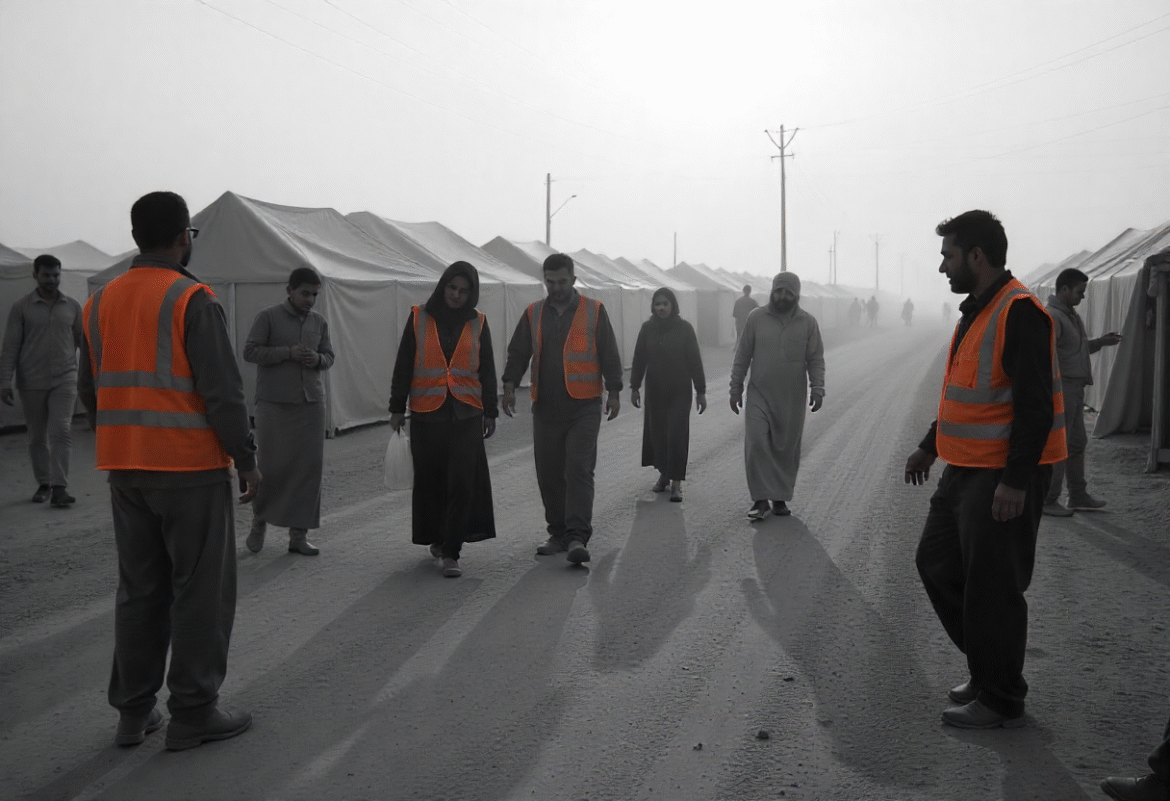
On September 7, 2025, the United States presented a fresh set of ceasefire principles to address the intensifying Israel Hamas conflict in Gaza. These guidelines emphasize the immediate release of all 48 remaining hostages by Hamas on the first day of a proposed ceasefire and mandate the freeze of Israeli military operations in Gaza City. The proposal also calls for immediate negotiation efforts between Israel and Hamas toward a comprehensive end to the warn with President Trump pledging to ensure the ceasefire remains intact throughout the talks.
This latest initiative was conveyed directly to Hamas via intermediaries, though the group has yet to issue a formal response. Israeli officials familiar with the plan acknowledged the U.S. effort, though they expressed uncertainty about whether Hamas would accept such terms without guarantees for a permanent end to hostilities.
Background and Broader Context
This move follows several recent developments:
- Israel has accepted the U.S. ceasefire proposal, according to Foreign Minister Gideon Saar. The deal involves hostage release terms and Hamas disarmament, signaling a possible breakthrough if Hamas complies.(Globedge)
- President Trump reiterated his call for the immediate release of all hostages, characterizing it as a “last warning” to Hamas even as Hamas continues to negotiate and has shown openness to a ceasefire agreement framework.(Reuters)
Key Components of the U.S. Proposal
| Element | Description |
|---|---|
| Hostage Release | All 48 remaining hostages to be freed by Hamas on Day 1 of the ceasefire. |
| Military Pause | Israel must halt its assault on Gaza City. |
| Ceasefire Guarantee | President Trump pledges U.S. oversight to ensure the ceasefire endures throughout negotiations. |
| Negotiation Kick-off | Immediate start of talks for a comprehensive resolution to the conflict. |
Significance & Implications
This proposal marks one of the boldest U.S. interventions in the Gaza conflict to date, demanding a full and immediate exchange rather than phased or partial releases. It strategically ties the release of hostages, the cessation of active warfare, and diplomatic negotiations into a single step seeking to create momentum toward peace while leveraging humanitarian concerns.
If accepted, it could redefine the dynamics between Israel and Hamas: providing a clear pathway for hostage recovery, reducing civilian suffering, and opening the door to lasting peace talks. The U.S. framing of the deal underscores its commitment to stabilizing the region offering leadership during a fraught transitional moment.
At the same time, the plan compounds risks:
- Hamas may hesitate, demanding more firm guarantees of war cessation or political concessions before releasing hostages.
- Israeli security concerns remain front and center policymakers may fear that halting operations too quickly could undermine strategic objectives.
- Political fallout is possible: if either side rejects the proposal, U.S. credibility on diplomacy and its influence in the region could face scrutiny.
Summary
On September 7, 2025, the United States offered a new ceasefire framework for the Gaza conflict: all 48 hostages would be released immediately, Israel would suspend operations in Gaza City, and both parties would enter direct negotiations backed by U.S. oversight to avoid a return to fighting. Israel reportedly accepted the proposal, while Hamas’s response remains uncertain. The initiative ties together humanitarian relief and diplomatic strategy, signaling a potential shift in the standoff—but much depends on Hamas’s willingness to engage.