
Unsettling Dawn: The Chaotic Effort to Repatriate Children
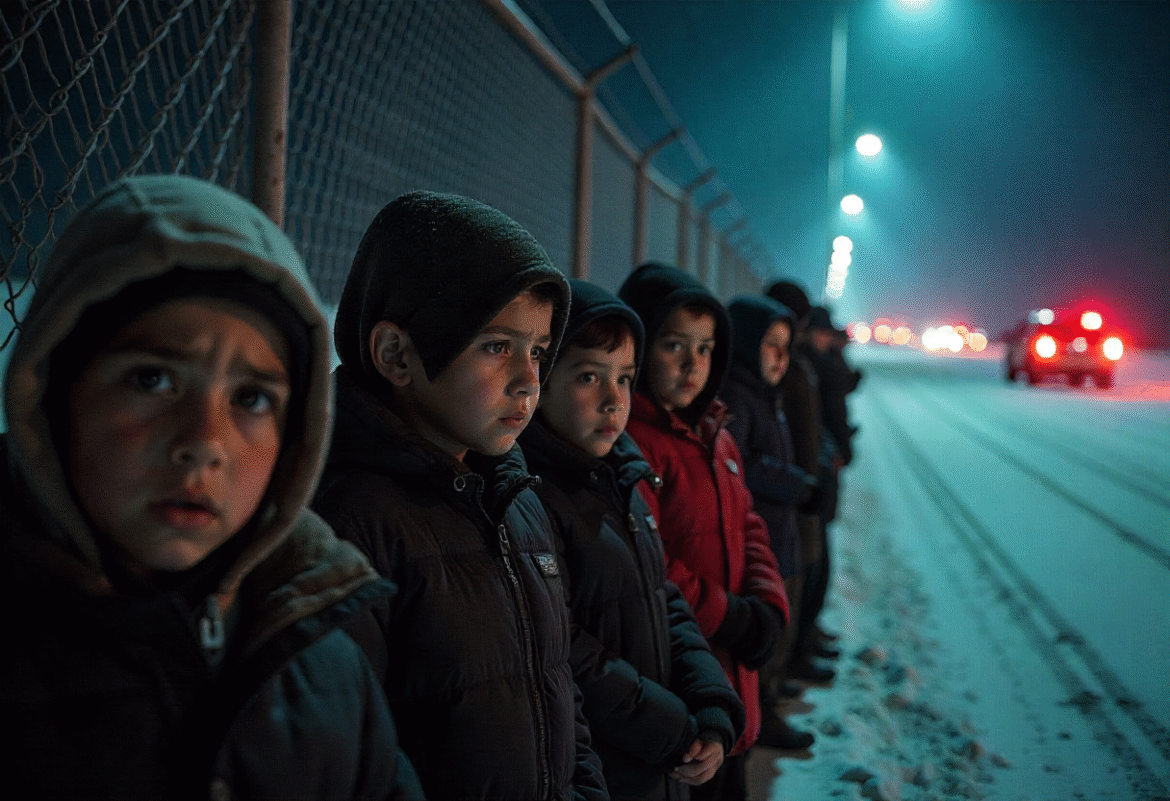
Late on a holiday weekend, U.S. immigration authorities initiated an urgent plan to repatriate over 600 unaccompanied Guatemalan children, aged approximately 10 to 17, who were in federal custody. The effort, executed in the dead of night, left many of the children “confused and terrified,” abruptly awakened and instructed to pack their belongings for immediate removal. The operation quickly drew legal challenges and widespread condemnation. (AP News, Reuters, Young Center, ABC News)
Voices of Trauma: Children Speak Their Fear
One minor, woken around 2:30 a.m., recounted calling their mother in tears, fearing they would be deported that night. “My mom started crying. I was thinking about everything that could happen to me … I was worried that I would be killed.” (ABC News)
Another 17 year old described the shock of being roused in the middle of the night: “I felt like I lost my breath for a second,” they recalled. “I got scared they would still try to take me back to Guatemala later that night.” (ABC News)
Staff from the Young Center for Immigrant Guatemalan children Rights who witnessed the events painted a harrowing scene: children with swollen eyes, crying heartbreakingly as they questioned, “Why are they sending me back?” or “Why are they hurting me?” One child whispered, “I’m afraid to return, I don’t want to return.” (Globedge)
Legal Outcry: Emergency Injunction Halts Flights
In response, the National Immigration Law Center (NILC) filed an emergency class action lawsuit on behalf of 10 children, seeking to stop what they argued was a rushed and unlawful process. Judge Sparkle L. Sooknanan issued a temporary restraining order, calling out the government’s attempts to deport minors “in the wee hours of the morning on a holiday weekend.” (Reuters, Politico, Young Center, The Washington Post)
Her injunction was swiftly expanded to protect all unaccompanied Guatemalan minors in U.S. custody roughly 600 children. The order required immediate return of those who had already been placed on planes back to shelters overseen by the Office of Refugee Resettlement (ORR). (The Washington Post, Reuters, Politico, ABC News, AP News)
Official Claims vs. Family Testimony
The Trump administration maintained the action was undertaken at Guatemala’s request and intended to reunite children with family. However, this claim was challenged by a confidential Guatemalan government report, reviewed by Reuters, in which 59 out of 115 contacted families opposed their children’s return. Many families reported fear, intimidation, or surprise at the U.S. action and said they expected the children to remain in the U.S. for protection or immigration proceedings. (Reuters)
Summary & Implications
| Aspect | Details |
|---|---|
| Who | Unaccompanied Guatemalan minors (≈600) aged 10 to 17 in U.S. custody |
| When | Late August/early September 2025 overnight operation on a holiday weekend |
| What happened | Abrupt attempts to repatriate children without due process or notice |
| Child impact | Severe trauma fear, confusion, crying, and distrust |
| Legal response | Emergency court injunction by Judge Sooknanan halts all deportations pending legal review |
| Official stance | U.S. claims reposition reunification; Guatemala indicates mixed family consent |
| Next steps | Legal challenge ongoing; next court hearing scheduled; further scrutiny under the Trafficking Victims Protection Reauthorization Act |
This episode underscores the fragile boundary between immigration enforcement and protections for vulnerable children. Despite administration claims of reuniting children with willing families, the midnight raids, emotional turmoil, and legal rebukes highlight a process that many advocates deem rushed, opaque, and potentially hazardous. The court order ensures these minors will remain in U.S. care until their cases can be heard with transparency and fairness an outcome advocates argue is not just legal, but imperative.