
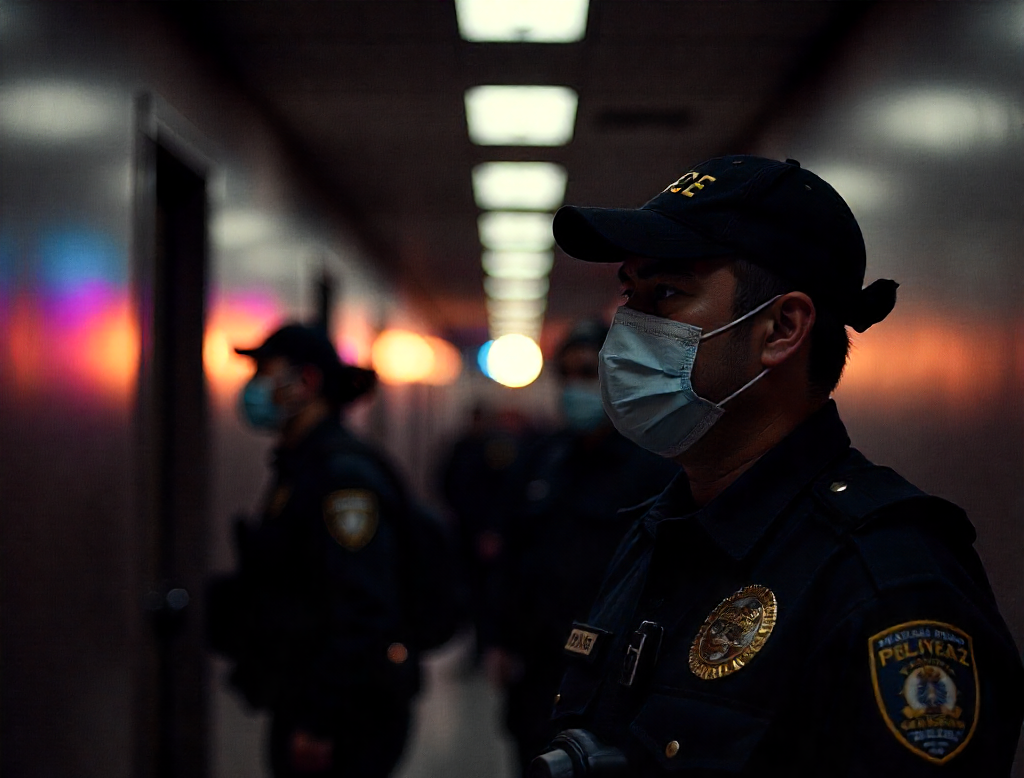
Since returning to office, President Donald Trump’s administration has launched a sweeping crack down on legal immigration crackdown in the United States. These changes touch asylum seekers, students, visa holders, green card and citizenship applicants, and broader immigration law. Below is a breakdown of what’s changed, what it means, and the controversies surrounding the policies.
Key Policy Changes Under the New Trump Immigration Crackdown
- $100,000 Fee on H-1B Visas + Changes to Skill Based Visa Rules
- The administration has proposed crushing increases in fees for H-1B work visas up to $100,000 per application in some cases. (Reuters)
- It also plans to do away with the lottery system for H-1Bs, moving instead to a merit or wage based selection process. This favors high skill, high pay visa seekers over lower wage applicants. (The Times of India)
- Suspension or Revocation of Legal Status for Immigrants from Certain Parole or Humanitarian Programs
- The CHNV program (Cuba, Haiti, Nicaragua, Venezuela) allowed migrants with sponsors to enter under a temporary parole status. This program has been suspended and many of its beneficiaries had their protections terminated. (Reddit)
- CBP One App & Asylum Scheduling Tools Removed
- The Trump administration ended the CBP One app, which under the previous crackdown administration allowed asylum seekers and certain humanitarian migrants to schedule appointments at ports of entry to seek credible fear asylum claims. Some 30,000 people who had appointments were stranded when the app was shut down. (Brookings)
- Other crackdown asylum facilitating programs have also been stopped. (Brookings)
- Executive Orders Aiming to Restrict Birthright Citizenship & Expand Enforcement in ‘Sanctuary’ Jurisdictions
- Executive Order 14160, titled “Protecting the Meaning and Value of American Citizenship,” seeks to limit automatic U.S. citizenship for children born in the U.S. to noncitizen parents (unauthorized or temporary visa holders). The order has faced legal challenges and has been blocked in court. (Globedge)
- Another order, Executive Order 14159 (“Protecting The American People Against Invasion”), expands removal and deportation powers, denies federal funding to jurisdictions limiting cooperation with immigration crackdown enforcement (“sanctuary” jurisdictions), and strengthens mechanisms for expedited removal. (Wikipedia)
- Expanded Vetting & Visa Revocation for Students, Increased Scrutiny
- Under a program called “Catch and Revoke,” student visas have been revoked based on social media reviews or perceived associations with speech or activism deemed disallowed. Thousands of student visas have reportedly been revoked. (migrationpolicy.org)
- More broadly, applicants for asylum, visas, green cards, or citizenship now face stricter background checks, more thorough documentation, and mandatory in-person interviews in many cases. (PBS)
- Revoking Legal Protected Status for Large Groups
- One major legal change: over half a million migrants from Cuba, Haiti, Nicaragua, and Venezuela who entered under the CHNV sponsorship/parole program have had their legal status revoked, compelling them either to self-deport or face potential removal. (Reddit)
Impacts & Consequences
- For Migrants & Families
Many legal immigrants crackdown or visa holders find themselves in uncertain status: paperwork delayed or canceled, protection revoked, green card applications obstructed. Families may face separation or inability to plan long-term. Students face risk of deportation for past social media posts or behavior. Those who had expected protection under parole or temporary status programs now live with fear and confusion. - On Industries & Economy
Companies relying on foreign skilled labor (tech, R&D, higher education) warn the fee hikes and revocations will reduce access to needed talent. Some schools have students who may have lost their visas; businesses may lose workers or delay hiring. (Reuters) - On Asylum & Refugee Protection
The ending of tools like CBP One, cancellation of appointments, and restriction of asylum entry are making it far harder for asylum seekers to access U.S. protection. Many arriving migrants may be turned away or detained with no hearing. Programs designed for orderly and safe pathways (for Cubans, Haitians, Nicaraguans, Venezuelans) have been suspended. (Brookings) - Legal Challenges & Constitutional Concerns
Several policies are facing court blocks. For example, the executive order on birthright citizenship has been blocked in courts as unconstitutional. States and cities are suing over funding being tied to immigration compliance. Critics argue that expanded executive power is undermining due process and other legal protections. (Wikipedia) - Backlogs & Administrative Strain
The immigration court system already had millions of pending cases; these changes may exacerbate delays, as many applications are paused, rescheduled, or canceled. Green card or citizenship interview backlogs grow. (Brookings)
Why These Moves Are Part of Broader Strategy
These legal immigration crackdowns reflect several consistent goals under the Trump administration’s immigration agenda:
- Emphasis on restricting legal immigration, not just illegal crossings. Rather than focusing only on the southern border, the policies aim to shrink legal pathways.
- Push to favor high-skill, high-wealth immigrants (via merit based visas, high fees) while reducing access for lower income, family based, or human-rights/humanitarian based migration.
- Using executive orders to change policy aggressively often before full legislative or judicial approval making moves that are susceptible to legal challenge.
- Asserting increased federal enforcement and linking federal funds or legality to state or institutional cooperation with immigration enforcement (sanctuary jurisdiction policies, etc.). (The Fulcrum)
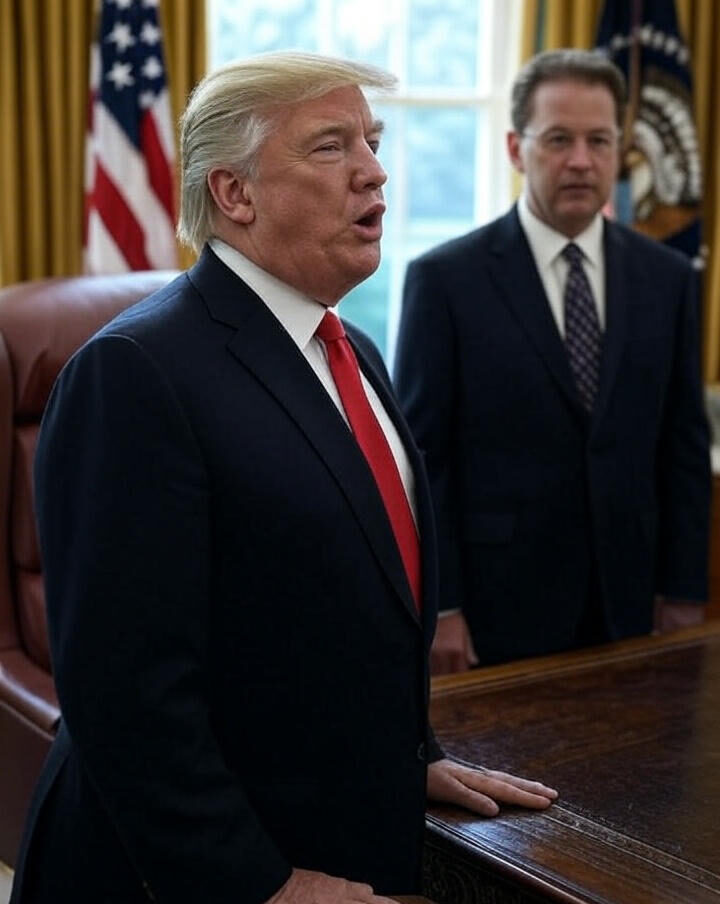
Legal & Political Pushback
- Courts Have Blocked Some Policies
The birthright citizenship executive order has been temporarily blocked. Courts have ruled linking disaster aid to immigration enforcement unconstitutional. (Wikipedia) - States, Universities & Tech Firms Raising Objections
California is contemplating suing over the $100,000 H-1B fee. Universities have expressed fears about “Catch and Revoke” threatening academic freedom and international student enrollment. Tech companies say they may lose talent and competitiveness. (Politico) - Advocacy & Civil Rights Groups
Groups warn about erosion of civil liberties, due process, family separations, and expanded state surveillance of immigrant communities. They are challenging policies in court and mobilizing public opinion.
What To Watch Going Forward
- Implementation & Effectiveness
How the H-1B fee hikes, visa revocations, and bans will actually work in practice. Will merit selection based on wages or skills be defensible in law? Will the programs targeting asylum be sustainable? - Court Rulings
More legal challenges are underway. Their decisions could uphold or block many of these new policies. Especially with respect to constitutional rights (14th Amendment, due process) and statutory limits on executive power. - Congressional Response
Some of these changes may require legislative authorization. Lawsuits and political pressure may force Congress to act either to codify or to limit new rules. - Economic Impacts
Industries facing shortages or lost productivity may lobby for reversals. Countries losing talent may shift global migration trends. - Public Sentiment & Political Outcomes
Immigration is a highly political issue. Voter reaction to hardships faced by immigrants, foreign students, or families may influence midterm or future elections.
Conclusion
The Trump administration’s crackdown on legal immigration marks a significant shift in U.S. immigration policy. More than restricting unauthorized entries or tightening border enforcement, it seeks to reshape who can come legally, under what conditions, and with what rights. Across visa programs, asylum access, citizenship claims, parole or humanitarian programs, and even birthright citizenship, expansive executive actions are altering the legal landscape.
Many of these policies are already in effect; others are being challenged in court. What remains clear is that access to legal immigration pathways is now much more restricted, with increased costs, stricter vetting, and more emphasis on enforcement. For individuals considering moving to the U.S. legally, or those with existing immigration status, these are not incremental tweaks they represent a new paradigm.