
Overview
In late August 2025, reports confirmed that Russian troops had advanced into Ukraine’s southeastern Dnipropetrovsk region a noteworthy development in the conflict that intensified concerns over Kyiv’s security and strategic infrastructure.
What’s Happened?
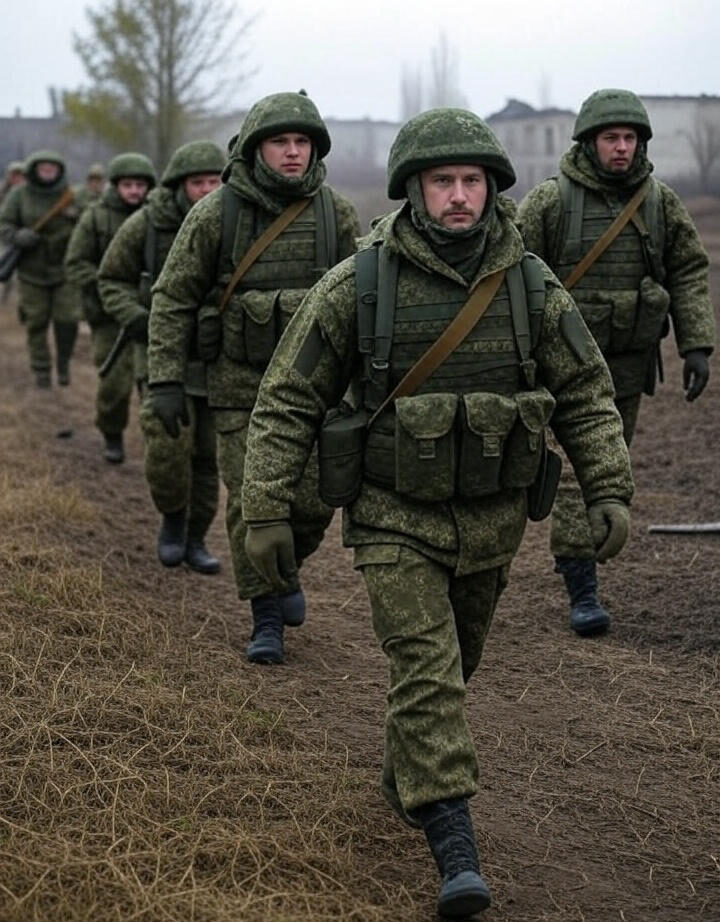
According to Reuters, Russian forces successfully captured two villages in the region, marking one of their first confirmed territorial gains beyond the Donetsk-Zaporizhzhia axis (AOL, Yahoo). Similarly, AP News reported that Russian troops entered the villages of Novoheorhiivka and Zaporizke, though they remain engaged in ongoing combat, with no sustained footholds confirmed yet (AP News). The Guardian echoed these developments, emphasizing that the region does not lie within Russia’s claimed annexed territories and underscoring the significance of this new ground incursion (The Guardian).
Why It Matters
- Strategic Depth and Symbolism: Before this, Dnipropetrovsk had mostly remained beyond the frontlines. It is an industrial and mining powerhouse with the regional capital Dnipro formerly hosting over a million residents a major loss if directly threatened (The Defense Post, CNN).
- Tactical and Morale Impact: Any gain in this region could pressure Ukraine’s military and logistics network. The incursion illustrates how Russian forces continue to test Ukraine’s resolve even in regions previously considered secure.
Conflicting Claims and Ukrainian Response
From June onwards, contrasting narratives emerged:
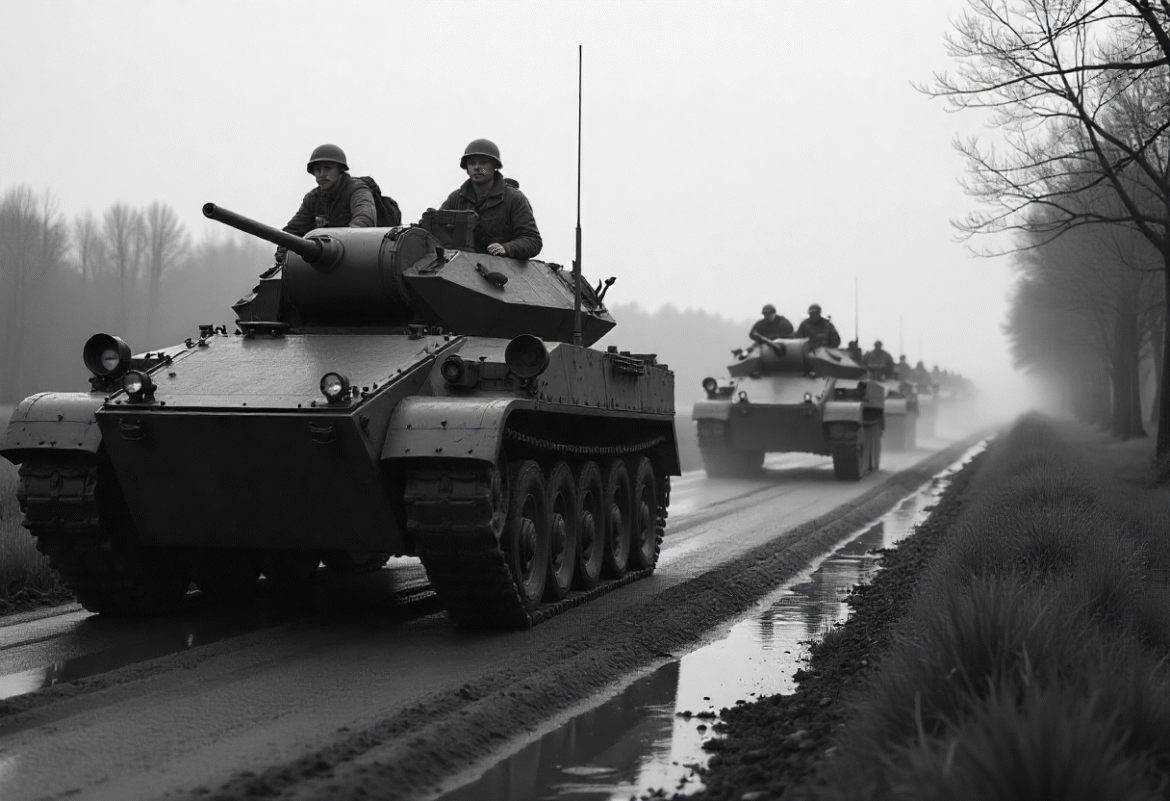
- Russia’s Assertions: The Kremlin claimed it was pushing deeper into Dnipropetrovsk to help form a “buffer zone” and showcased advances across the Donetsk border, particularly involving tank units (The Kyiv Independent, The Defense Post, The Moscow Times, Globedge).
- Ukraine’s Denials: Kyiv’s leadership particularly President Zelenskyy and regional officials denied any widespread troop presence. Ukrainian reports suggested that Russian activities were limited to reconnaissance or small sabotage attempts, not a full scale advance (RBC Ukraine, The Kyiv Independent, Українська правда).
The Institute for the Study of War also flagged misinformation attempts, stating there was no confirmed Russian crossing into the region, attributing such reports to disinformation efforts (RBC Ukraine).
Context and Historical Patterns
Dnipropetrovsk was briefly occupied early in the invasion (March to May 2022), with cities like Zelenodolsk and towns in the oblast falling briefly under Russian control. The region has since been targeted intermittently by missile strikes and artillery but remained largely under Ukrainian administration until now (Wikipedia).
Military analysts, including mapping group Deep State, noted that Russian units had previously advanced to within a few kilometers of the Dnipropetrovsk border by early 2025 foreshadowing this latest escalation (The Irish Times, Reddit).
Key Questions Moving Forward
- Can Russian gains be consolidated? Reports suggest current advances are limited and met with fierce defense, but small territorial changes could pave the way for further incursions.
- How will Kyiv respond? Reinforcement of defensive lines and counteroffensives could determine if Russian units will be able to hold newly captured ground.
- What does it mean for diplomatic efforts? This advance draws a new front and complexity into Ukraine’s defense calculus, potentially undermining talks if more territory shifts.
Summary
Russian forces have reportedly made their first credible footholds inside Ukraine’s Dnipropetrovsk region in 2025, signaling a strategic shift beyond previously annexed territories. While Reuters and AP cite confirmed village captures, Ukraine continues to characterize the activity as limited and possibly disinformation. The region’s industrial importance amplifies the symbolic gravity of any territorial advances, raising alarms about Ukraine’s ability to protect its heartland. With both sides trading narratives, the situation remains fluid and deeply consequential.