
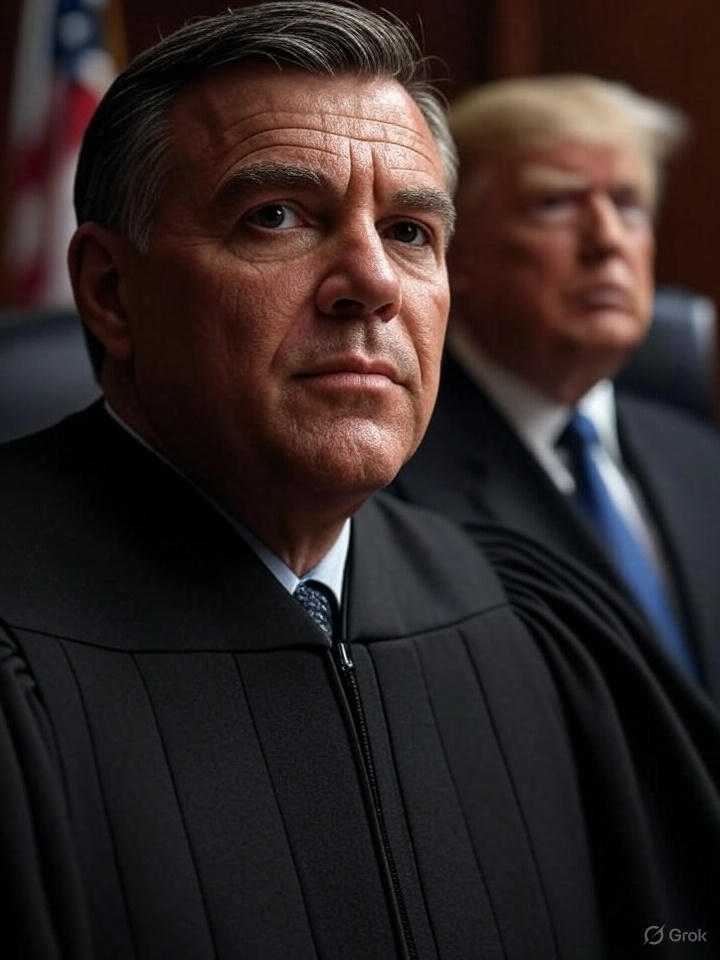
Context & Background
On January 20, 2025, President Donald Trump signed Executive Order 14160, titled “Protecting the Meaning and Value of American Citizenship.” It directed federal agencies to deny automatic U.S. citizenship to children born on U.S. soil if neither parent was a citizen or lawful permanent resident (Green Card holder), explicitly targeting children of undocumented or temporary resident parents (Globedge, Wikipedia).
The legal justification rested on a narrow interpretation of the 14th Amendment’s Citizenship Clause, which states: “All persons born or naturalized in the United States, and subject to the jurisdiction thereof, are citizens of the United States…” The Trump administration argued that children of undocumented immigrants are not “subject to the jurisdiction” of the U.S. (Reuters).
Legal Challenges & Initial Injunctions
Multiple lawsuits were filed quickly:
- Washington v. Trump: States of Washington, Arizona, Oregon, and Illinois sued, and on February 6, 2025, Judge John C. Coughenour issued a nationwide preliminary injunction, calling the EO “blatantly unconstitutional.” States argued that the EO could disrupt state-run programs like Medicaid and education (Wikipedia).
- Other federal courts in New Hampshire and Massachusetts also issued nationwide blocks via class‑action rulings (The Week).
The administration challenged these blocks at the Supreme Court, which in June 2025 limited lower courts’ authority to issue nationwide injunctions, though it left room for states to seek comprehensive relief (Wikipedia).
The 9th Circuit Ruling (July 23–24, 2025)
A three judge panel of the U.S. Court of Appeals for the 9th Circuit, sitting in San Francisco, considered the Washington case. In a 2–1 decision, Judges Ronald Gould and Michael Hawkins (Clinton appointees) affirmed the constitutional basis of the lower court’s block and maintained the nationwide injunction (AP News).
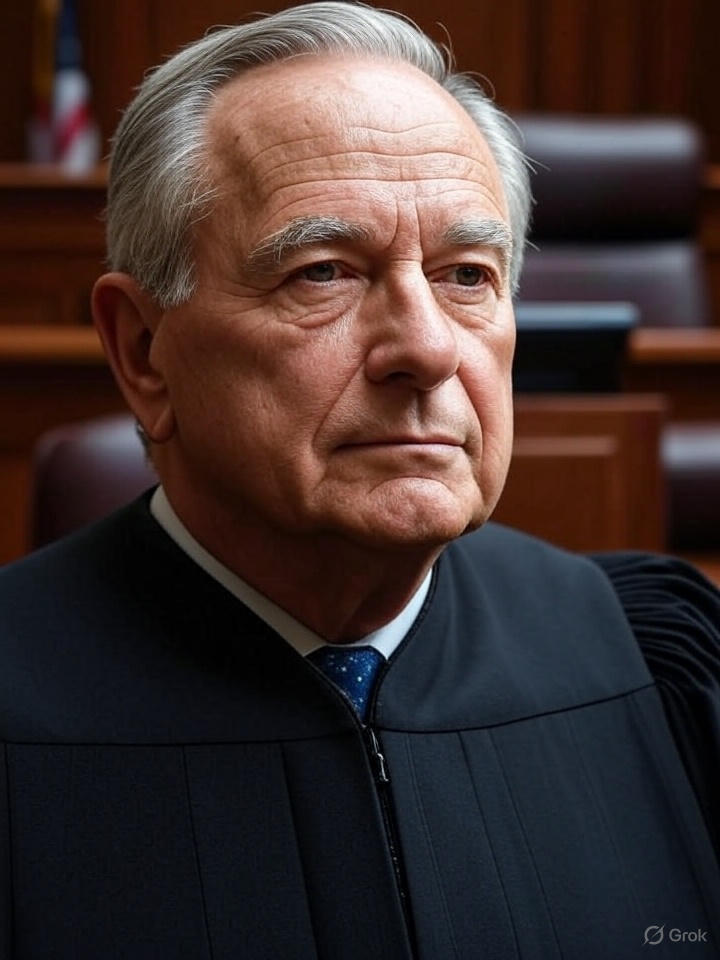
Majority Opinion
- The EO “misreads and undermines” the plain meaning of the 14th Amendment’s Citizenship Clause: “all persons born in the United States…” (AP News).
- Under Wong Kim Ark (1898), nearly all U.S. born children including those with noncitizen parents automatically gain citizenship (Ninth Circuit Court of Appeals).
- States have standing: mid-implementation of the EO would force states to overhaul benefits and identification systems. A partial injunction (only in some states) would cause legal and administrative chaos, making a nationwide injunction necessary (Reuters).
Dissenting Opinion
Judge Patrick Bumatay (Trump appointed) dissented, arguing that:
- The states lack legal standing, as harms were speculative.
- It was premature to evaluate the EO’s constitutionality or define the scope of the injunction (AP News, New York Post, CBS News).
Key Legal and Historical Foundations
- 14th Amendment, ratified in 1868, was designed to establish birthright citizenship and override decisions like Dred Scott (Ninth Circuit Court of Appeals).
- Wong Kim Ark (1898) affirmed that children born in the U.S. acquire citizenship regardless of their parents’ status (Ninth Circuit Court of Appeals, Wikipedia).
- The current challenge is part of a broader debate: earlier bills and executive proposals (2009, 2011, and 2018) also tried to limit birthright citizenship but failed to pass or were blocked (Wikipedia).
Implications & What’s Next
- The 9th Circuit ruling is the first appellate decision on EO 14160 and firmly places the issue on the Supreme Court’s docket (AP News).
- Trump administration can either:
If the SCOTUS upholds the lower ruling, the EO and any attempt to carve out birthright citizenship would effectively be blocked.
Summary
- Court: 9th U.S. Circuit, San Francisco.
- Case: Challenges to EO 14160 by WA, AZ, IL, OR.
- Decision: 2–1 majority held EO conflicts with the 14th Amendment and Wong Kim Ark.
- Injunction: Remains nationwide, preventing enforcement.
- Next steps: Likely Supreme Court consideration.