
Overview
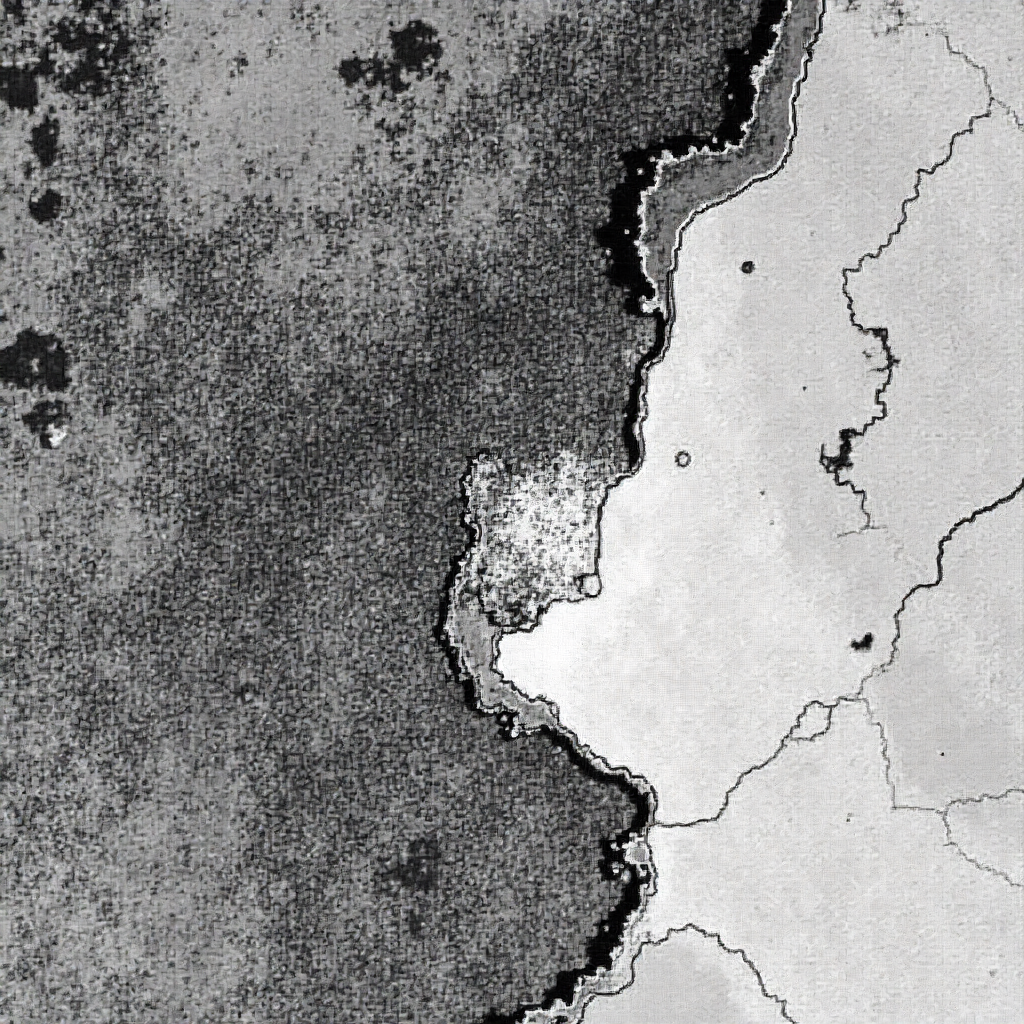
On 22 September 2025, a large wildfire broke out in the southwestern corner of Etosha National Park (ENP) in northern Namibia. The fire has rapidly spread, driven by dry vegetation and strong winds, burning vast areas inside the park and also extending into communal lands. In response, Namibia has deployed its army (Namibian Defence Force), police, volunteer groups, and equipment including helicopters, water trucks, fire engines, and other resources to try to contain the blaze. (ABC17NEWS)
The Fire’s Scale and Spread
- Area burned: Estimates are that around 775,163 hectares inside Etosha (about 34% of the park) have been destroyed by the fire. Outside the park, another 171,098 hectares of land have also burned: communal grazing areas, rural lands in Omusati and Oshana regions. (The Namibian)
- Zones affected: The fire began in the southwestern part of Etosha, likely on a commercial farm bordering the park, and has since spread to the western, central, and southern zones of Etosha. Specific internal areas hardest hit include Dolomite, Okatutu, Renostervlei, Jackalswater, Halali, and zone between Olifantbad and Halali. (The Namibian)
- Outside the park: The fire has breached the park boundary, affecting grazing land and villages in Omusati and Oshana regions. Several villages are either threatened or already impacted. (The Namibian)
Causes
- Suspected origin: The fire is believed to have started from charcoal production activities on commercial farms bordering the southwestern side of the park. (ABC17NEWS)
- Environmental conditions: The region is in its driest time of year, vegetation is very dry, and there are strong winds all of which help fires spread rapidly. The terrain and climate are making containment difficult. (ABC17NEWS)
Response Efforts
Who is involved
- Namibian Defence Force (NDF): The army has been deployed in increasing numbers. An initial small group (≈40 soldiers) was sent out, followed by 500 more soldiers from various regions. (AP News)
- Ministry of Environment, Forestry and Tourism (MEFT): Leading firefighting coordination, issuing statements, mobilising internal staff and resources.(Globedge)
- Police Force (NAMPOL): Involved especially in surveillance and aiding coordination. (Africa Press Arabic)
- Regional councils, local communities, neighbouring farmers, private sector assistance: These are contributing manpower, equipment, and on the ground support. Some private firefighting groups (e.g. Veldbrande Namibia) have been given permission to enter and assist. (The Namibian)
Tools and resources
- Helicopters: Used for aerial water drops, reconnaissance, and mapping the spread of fire. (AP News)
- Water trucks, fire engines, blowers, fire crews: These are operating on the ground, cutting firebreaks, doing back burning where possible, and trying to protect villages, critical infrastructure (e.g. boreholes, ranger camps), and areas of high conservation importance. (The Namibian)
Challenges in the response
- Delays and coordination: Some local groups and observers have criticized the government for being slow to accept external help, for under resourcing, and for lack of coordination with private or volunteer firefighting teams. (The Guardian)
- Environmental obstacles: Strong winds, dry vegetation, and large contiguous fuel loads make fire spread hard to contain. Also, fires in remote zones of the park are harder to access. (Tourism Update)
Damage and Impacts
Ecological / Biodiversity
- With over a third of Etosha National Park burnt, there’s extensive damage to grazing ground, vegetation, and wildlife habitat. (The Namibian)
- Confirmed wildlife losses include at least nine antelopes; a pangolin was rescued. There are concerns about more species, including the critically endangered black rhino, though specific confirmed losses among such high profile species are not yet clear. (AP News)
Human / Community / Livelihoods
- Grazing land outside the park used by local communities has been destroyed. This threatens livelihoods of people who depend on livestock. (The Namibian)
- Villages on the outskirts already impacted or at risk of being threatened by the fire. (The Namibian)
Tourism, national economy, identity
- Etosha is one of Namibia’s premier wildlife reserves and a major tourist attraction, contributing significantly to tourism revenues and employment. Having large parts of the park damaged or inaccessible will hurt tourism. (RTL Today)
- Damage to infrastructure, ranger camps, water sources, roads etc. may incur restoration costs.
Current Status & Containment
- As of late September, many of the fires have been declared contained by government officials, though some local sources say there are still active burns. (The Guardian)
- Firefighting continues in residual hot spots, especially in more remote or difficult-access areas like Omusati Region. (Africa Press Arabic)
- Public warnings have been issued; certain tourist routes in the park have been closed or restricted due to the danger of shifting winds. (The Guardian Nigeria)
Issues Raised & Criticisms
- Preparedness and strategy: Critics, including political figures, argue that Namibia’s environment ministry has been underprepared for wildfire seasons, lacking a comprehensive strategy, sufficient personnel, infrastructure, and prevention capabilities. (The Namibian)
- Speed of response: Some volunteer groups and private sector entities say that the government delayed in accepting their assistance, which may have allowed the fires to grow more than would otherwise have happened. (The Guardian)
- Resource allocation: Observers are questioning how many resources (manpower, aircraft, funding) are devoted to wildfire mitigation during “quiet” times, and whether more investment ahead of dry seasons would reduce losses. (The Namibian)
What’s at Stake
- Biodiversity: Namibia National Park is home to over 114 species of mammals (including endangered species) and many bird species. Loss of habitat affects not only visible animals but microhabitats, plants, migrating species, and ecosystem dynamics. (ABC17NEWS)
- Livelihoods and food security: Local communities dependent on grazing land for livestock are directly impacted. Loss of grazing territory could force migration of animals, loss of livestock or require expensive feed supplementation.
- Tourism: Being a key attraction, damage to wildlife, landscapes, and infrastructure could reduce visitor numbers, harming incomes and local economies.(Globedge)
- Conservation capacity: Strain on park management, ranger capacity, fire response units. Long term damage may take many years to recover: e.g. re growth of vegetation, re establishment of wildlife populations.
- Climate change feedback: Large wildfires contribute carbon emissions; loss of biomass reduces carbon sequestration, potentially exacerbating regional climate stresses.
Lessons & What Needs to Be Done
- Improved fire prevention and early warning
- Monitoring of activities adjacent to protected areas (e.g. charcoal production, agricultural practices) to prevent fire ignition.
- Satellite / aerial surveillance to detect fires early.
- Better coordination among stakeholders
- Government, Defence Force, regional councils, community groups, private firms, and volunteers need clearer protocols on how to coordinate when wildfire risk is high.
- Faster deployment of resources and streamlined approvals for private assistance could make a difference.
- Strengthening institutional and logistical capacity
- More firefighting equipment, well trained fire crews, water access and supply infrastructure inside and around the park.
- Firebreaks, controlled burns in advance of high risk seasons, and other landscape management practices.
- Policy and strategy
- A national wildfire strategy, as critics have suggested, that includes prevention, resource allocation, rapid response, ecological considerations, and risk assessments. (The Namibian)
- Ensuring that conservation policy is integrated with land-use planning, agriculture, charcoal/forest use, local livelihoods.
- Support for affected communities and conservation zones
- Relief for communities whose grazing land or infrastructure has been destroyed.
- Support for wildlife rescue and rehabilitation where possible.
Conclusion
The wildfire in Etosha National Park is one of the most serious environmental disasters Namibia has faced in recent memory. With over a third of the park scorched, vast damage to vegetation, grazing land and wildlife, and threats to livelihoods and the tourism sector, Namibia Deploys Army to Battle Etosha Wildfire
he stakes are high. The mobilization of over 500 soldiers, helicopters, water trucks, police, and volunteers reflects the gravity of the situation. (AP News)
While much of the fire has been declared under control, ongoing hotspots remain, and the lingering ecological, economic, and social damage will take years to fully assess and repair. And the event has exposed weaknesses in preventive planning, timeliness of response, and resource readiness in Namibia environmental protection architecture.