
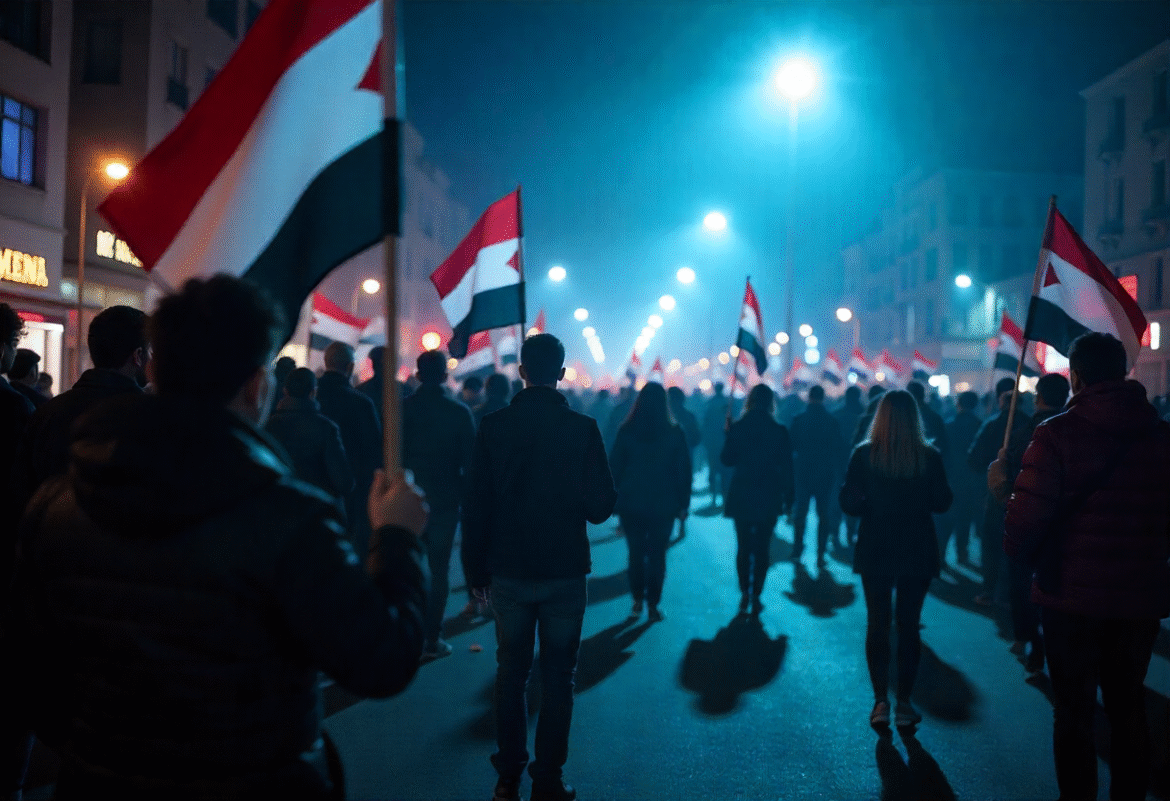
Global Media Unite: A Historic Protest
On September 1, 2025, nearly 200 media outlet across 50 countries mounted an unprecedented, coordinated editorial protest to denounce the escalating killing of journalists in Gaza. Spearheaded by Reporters Without Borders (RSF), Avaaz, and the International Federation of Journalists (IFJ), the protest involved blackout actions across platforms print, digital, and broadcast to demand justice, protection, and greater media access to try to preserve press freedom in the conflict zone (Omni, IFJ, Reporters Without Borders, Al Jazeera).
What Did the Protest Involve?
- Print newspapers ran blacked out front pages with stark messages to underscore how journalists are being systematically targeted (IFJ, Reporters Without Borders).
- Online outlets either blacked out their homepages or displayed solidarity banners (IFJ, Reporters Without Borders).
- Television and radio broadcasters paused normal programming to air unified statements calling for action (IFJ, Reporters Without Borders).
One of the rallying lines was:
“At the rate journalists are being killed in Gaza by the Israeli army, there will soon be no one left to keep you informed” (IFJ, Reporters Without Borders).
The Scale and Rationale
- Over 220 journalists and Media outlet workers have been killed since the war began on October 7, 2023. RSF and IFJ regard this as the deadliest conflict ever for media (IFJ, Reporters Without Borders, The Guardian, Omni).
- Israel has barred foreign journalists from entering Gaza, leaving local reporters exceptionally vulnerable and largely unsupported (The Guardian, IFJ, Reporters Without Borders).
- Key demands from the protest included:
- An end to impunity for crimes against journalists.
- Emergency evacuation and support for journalists seeking to flee.
- Independent access for foreign press.
- Action from governments and the UN Security Council to address the mounting crisis (Reporters Without Borders, IFJ).
Voices of Key Campaigners
RSF Director General Thibaut Bruttin emphasized the existential threat to journalism:
“This is not only a war on Gaza, it is a war on journalism itself. At the rate journalists are being killed … there will soon be no one left to keep the world informed.” (IFJ, Reporters Without Borders)
Avaaz Campaign Director Andrew Legon added:
“If the last witnesses are silenced, the killing won’t stop it will simply go unseen.” (IFJ)
IFJ General Secretary Anthony Bellanger urged for accountability:
“Every journalist killed in Gaza was someone’s colleague, friend, or family… They risked everything to tell the world the truth, and they paid with their lives.” (IFJ)
The Human Toll: Who Was Lost
Recent devastating strikes highlighted the urgency of the campaign:
- On August 25, Israeli forces attacked Nasser Hospital in Khan Younis, killing five journalists including staff from Reuters, AP, Al Jazeera and several others. Media leaders condemned the incident, demanding accountability, while Israel expressed regret and denied intentionally targeting journalists (Reuters, AP News, The Times, IFJ, Al Jazeera, Anadolu Ajansı).
- Just two weeks earlier, six journalists from Al Jazeera, including correspondent Anas al Sharif, were killed in a strike outside Al Shifa Hospital, fueling accusations of deliberate targeting (The Guardian, Al Jazeera).
These tragic losses embody the campaign’s core message: without journalists, there is no witness to suffering, no check on power, and no accountability.
Broader Implications & Global Response
Recent editorials and coverage underline the significance:
- The Guardian described the conflict as the deadliest war for Media outlet, warning that such loss of reporters is eroding press freedom and international legal protection (The Guardian).
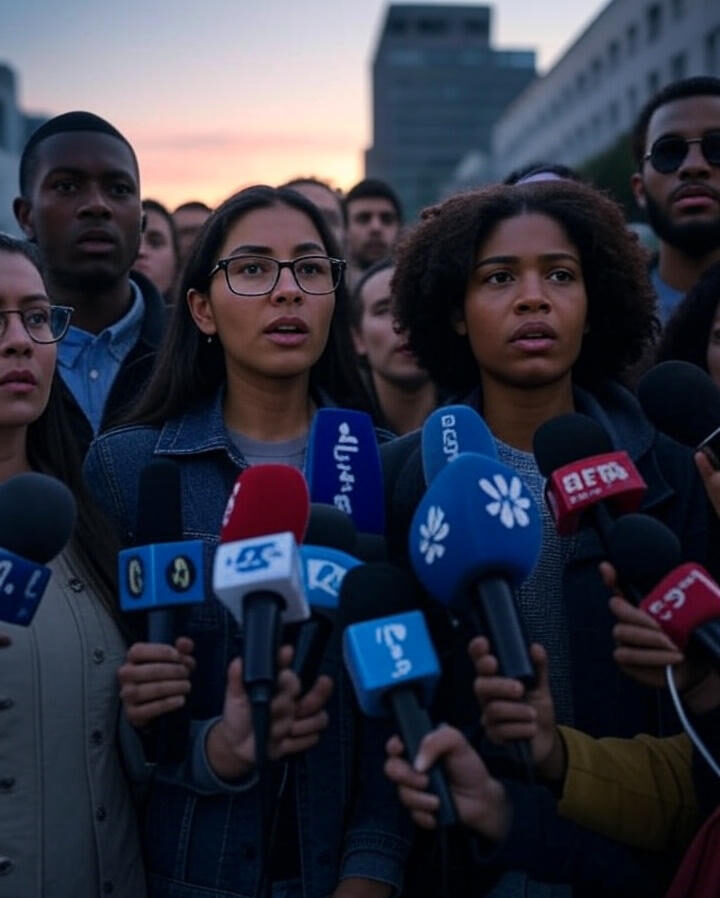
- The protest was global front page blackouts, digital and broadcast silences reverberated from Europe to Asia to the Americas, emphasizing solidarity across borders (Omni, Al Jazeera, Globedge).
Summary Table
| Aspect | Detail |
|---|---|
| Date of protest | September 1, 2025 |
| Organizers | RSF, Avaaz, IFJ |
| Scope | ~200 outlets, 50+ countries |
| Actions taken | Blackout front pages, websites, broadcast pauses |
| Journalist deaths | 220–278 journalists killed in ~22 months |
| Key demands | End impunity, foreign access to Gaza, protection for fleeing journalists |
| Highlighted incidents | Strikes killing journalists at Nasser and Al-Shifa hospitals |
| Global message | Journalists are essential witnesses; silencing them means erasing truth |
Final Thoughts
This collective and coordinated media outlet protest is historic not only for its scale but for its bold defense of press freedom under fire. Journalists in Gaza are not just casualties; they are frontline truth tellers working under siege, starvation, and extreme danger. The blackout action declared a vibrant, global stand against attempts to silence them.