
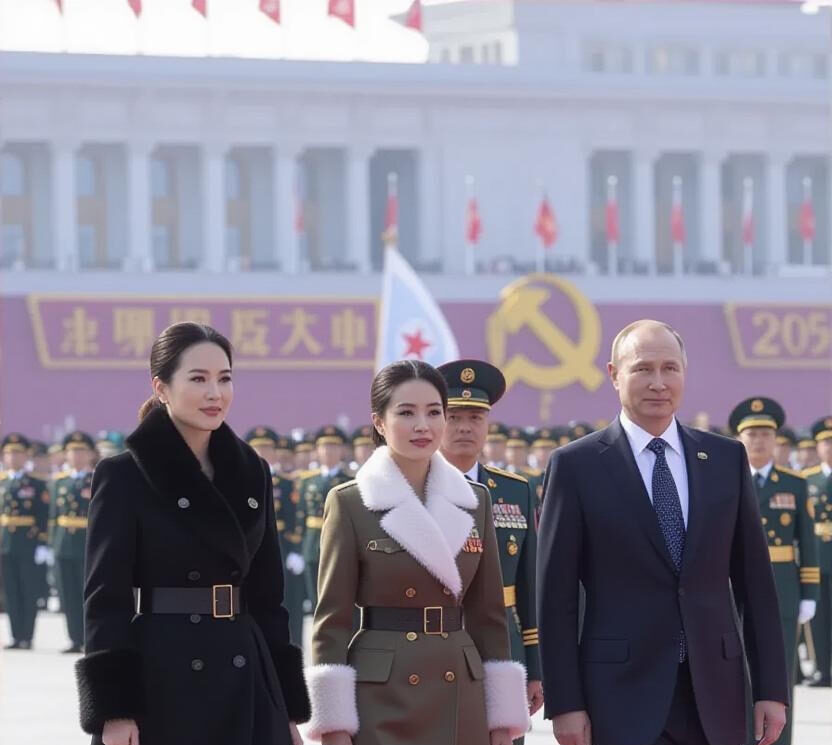
This week, North Korean leader Kim Jong Un made a rare high profile appearance abroad with his daughter widely believed to be Kim Ju Ae marking her first public trip outside North Korea, and creating a flurry of international analysis. Here’s why her presence in Beijing is so noteworthy
A Diplomatic Debut with Deep Symbolism
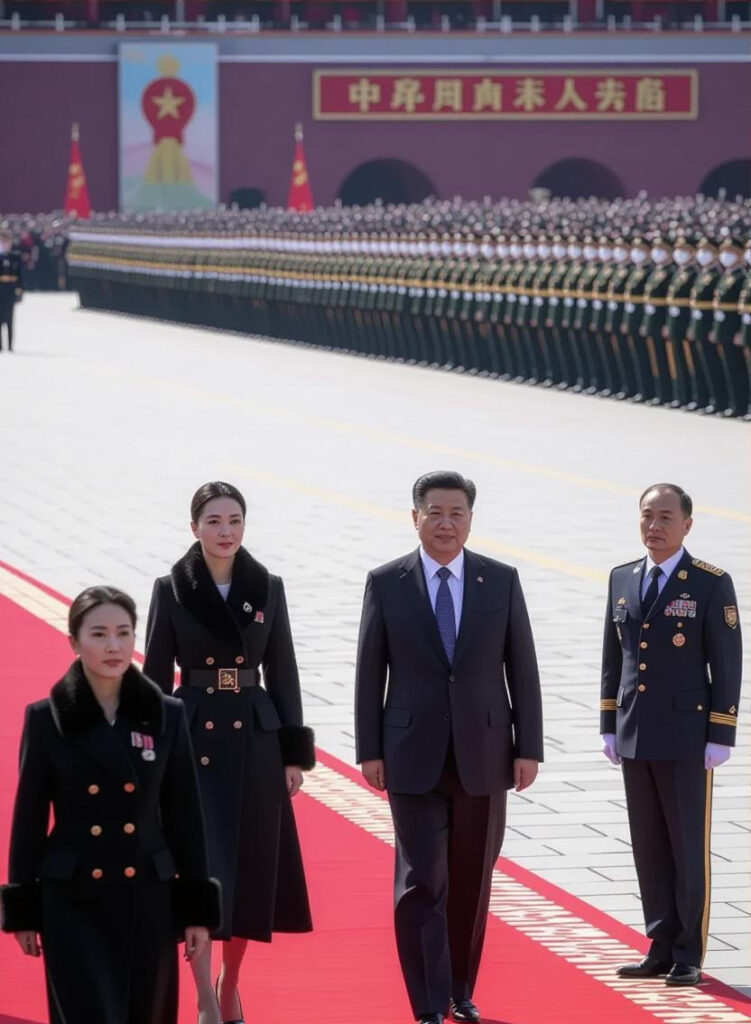
Kim brought his daughter to Beijing to attend a grand military parade commemorating the 80th anniversary of Japan’s World War II surrender, where she emerged right behind him during their arrival outranking even senior ministers in protocol (The Washington Post, Reuters, AP News). Analysts interpret this as more than a mere accompaniment it’s a calculated symbolic debut on the world stage, intentionally building her public persona through diplomacy (The Washington Post, Reuters, Globedge).
Fueling Speculation: Grooming a Successor?
- Front runner speculation: Experts, including those at the Stimson Center, already label Ju Ae as the current “front runner” for succession, noting that she is being nurtured with practical diplomatic and ceremonial exposure (Reuters, AP News).
- Expanded Visibility: Since her debut in a missile test in 2022, Ju Ae has steadily appeared at military parades, cultural projects, and even economic events mainstreaming her image as “beloved” then “respected” by state media 1an honor reserved for elite figures (Wikipedia, The Washington Post, AP News).
- Strategic grooming: Her Beijing appearance offers her invaluable exposure to foreign diplomacy something her father and aunt never received at her age (Reuters, The Washington Post). According to Michael Madden: “Right now, Ju Ae is the front runner. she is getting practical protocol experience which should serve her well as North Korea’s next leader” (Reuters, www.ndtv.com).
Breaking Isolation & Cementing Alliances
- Kim’s trip itself is symbolic his first visit to China since 2019 and first multilateral event appearance, signaling geopolitical realignment with Beijing and Moscow amid widening global tensions (The Washington Post, Financial Times, The Guardian).
- Bringing his daughter amplifies North Korea’s intent to show cohesion and continuity not just with China, but in projecting a modernized dynasty. It also strengthens optics at home: projecting Kim as a family oriented, stable leader preparing the next generation (Financial Times, The Washington Post).
Not Without Caveats
Despite the pomp and speculation, several important uncertainties remain:
- No formal naming or succession protocols: North Korea has yet to officially name her, confirm her age, or instate succession arrangements. She remains unofficially referred to as the “most beloved daughter” (The Washington Post, AP News).
- Gender and age challenges: She is estimated to be around 12 to 13 years old, and as a young female in a deeply patriarchal, male dominated regime, her path to supreme leadership is unprecedented and fraught with internal resistance (The Washington Post, AP News, Reuters).
- Still hopeful, but not confirmed: Analysts like Rachel Minyoung Lee caution that while Ju Ae’s appearances are deliberate, it’s still too early to confirm she’s on the direct path to power (The Washington Post, AP News).
In Summary
Kim Jong Un decision to bring his daughter to Beijing stands at the confluence of domestic image building and international signaling. It:
- Serves as her debut on the international stage, signaling grooming for future leadership.
- Reinforces North Korea’s alliance with China, while projecting an image of familial continuity and modernized rule.
- Sparks speculation, while leaving key questions her age, her viability as a leader in a patriarchal system, and formal succession plans unanswered.
This moment, laden with symbolism, offers the clearest sign yet that Ju Ae could be stepping into the spotlight as North Korea’s possible heir but for now, the path remains opaque.