
Strategic Motivations and Political Calculus
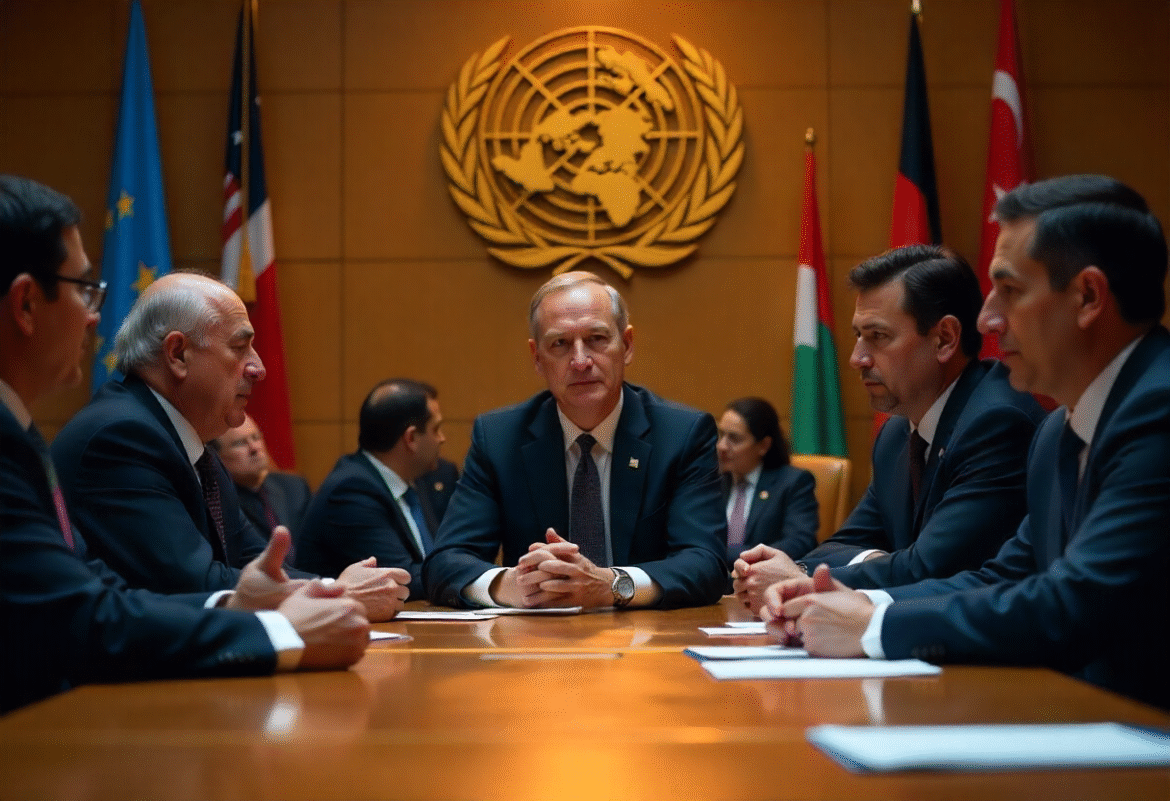
Reports reveal that Prime Minister Benjamin Netanyahu is exploring the possibility of annexing sections of the occupied West Bank, particularly as several Western countries including France, the UK, Canada, Australia, and Belgium prepare to formally recognize a Palestinian state during September’s UN General Assembly (New York Post, AP News, The Guardian, The National News, The Times of India). This annexation could range from Jewish settlement blocs to potentially up to 60% to 80% of the territory(Globedge).
Finance Minister Bezalel Smotrich, a powerful far right figure, is spearheading the effort. He has commissioned maps that would exclude major Palestinian population centers like Ramallah and Nablus, aiming for “maximum territory and minimum population” control (Reuters, Omni).
International Backlash and Legal Implications
Violations of International Law
Multiple bodies including the UN, EU officials, and legal experts have denounced annexation moves as blatant violations of international law. UN resolutions, including the ICJ’s 2024 advisory opinion, affirm that Israeli settlements in the West Bank are illegal and that annexation would contravene UN Charter norms and the Fourth Geneva Convention (Anadolu Ajansı, Reuters, Financial Times, The National News, Dawn, Wikipedia).
Regional and Global Condemnation
The UAE characterized annexation as a “red line” jeopardizing the Abraham Accords and normalizing ties with Israel, while numerous Arab and Islamic states similarly declared the move unacceptable and demanded international intervention (Financial Times, Reuters, The National News). Advocacy groups and diplomats argue the plan would effectively extinguish hopes for a two-state solution (TIME, The Times).
Western Momentum for Palestinian State Recognition
Political Shift in Europe
France, in particular, is leading the charge as the first G7 country set to recognize Palestine, followed by the UK and Canada, contingent on stopping annexation and achieving a ceasefire in Gaza (The Guardian, Wikipedia, AP News, The Times of India). Dozens of other European nations have voiced support for recognition, with some pledging to formalize it during September’s United Nations General Assembly (The National News, The Times of Israel, New York Post).
Symbol vs. Strategy
This wave of recognition is being framed as a strategic tool to uphold the two-state solution and counter unilateral Israeli moves. France’s President Macron emphasized that no military operation or annexation attempt will derail statehood recognition (Dawn).
Internal Israeli Politics and Strategic Responses
Divergent Views Within Government
While Smotrich aggressively pushes for annexation, some Israeli officials and coalition members including those advocating for partial annexations like the Jordan Valley favor a phased approach (erienewsnow.com). A staged strategy might allow Israel to extend sovereignty gradually while retaining room to bargain over normalization with Arab states and potentially Saudi Arabia (erienewsnow.com).
Undermining Palestinian Authority
In addition to annexation, Israeli leaders are reportedly considering punitive measures against the Palestinian Authority including sanctions and evictions from settlements like Khan Al-Ahmar as a response to growing Palestinian state recognition (erienewsnow.com).
Broader Implications and Future Outlook
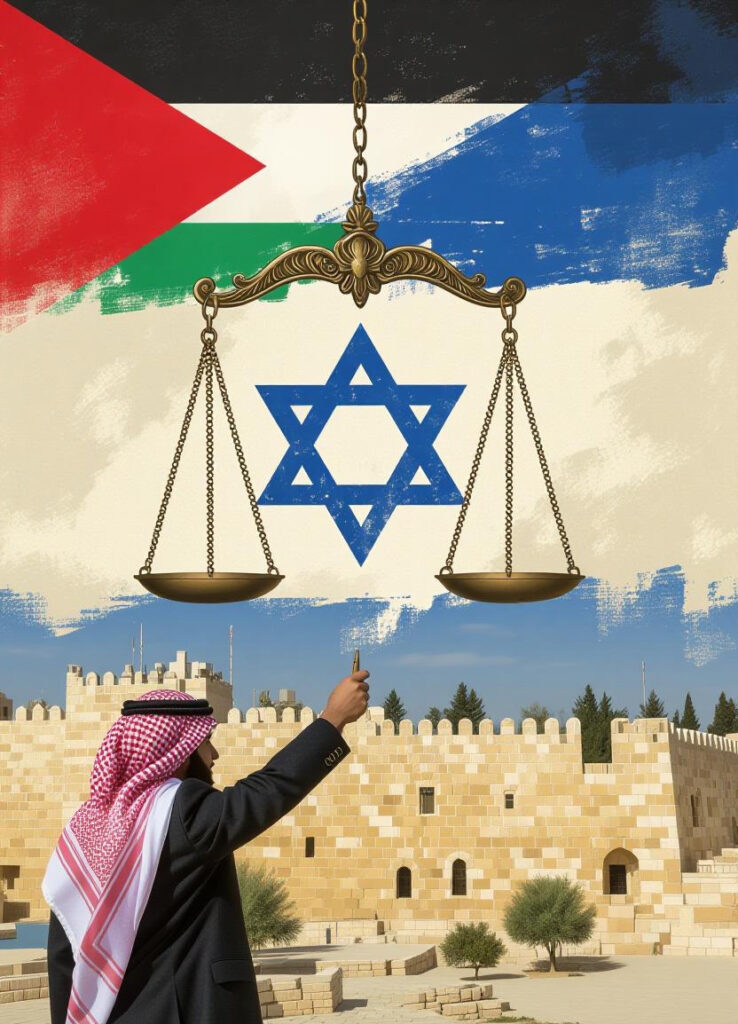
- Erosion of Two State Solution: Annexing West Bank territory threatens to shatter geographic cohesion and political viability of a Palestinian state, undermining decades of diplomatic efforts (TIME, Wikipedia, Anadolu Ajansı).
- Legal and Diplomatic Fallout: Any formal annexation would likely provoke sanctions, legal challenges, and further diplomatic isolation for Israel (Anadolu Ajansı, Financial Times, en.royanews.tv, The National News).
- International Pressure Point: Western nations are using recognition as both a diplomatic statement and leverage, signaling that actions on the ground will shape post war geopolitical alignments.
In Summary
Israel’s consideration of West Bank annexation is a direct response to growing international recognition of Palestinian statehood. Driven by far right political momentum, the annexation plans risk violating international law and triggering widespread condemnation. Meanwhile, Western nations are leveraging recognition as a counterbalance, aiming to uphold the two-state solution and apply pressure on Israel to alter its course.