
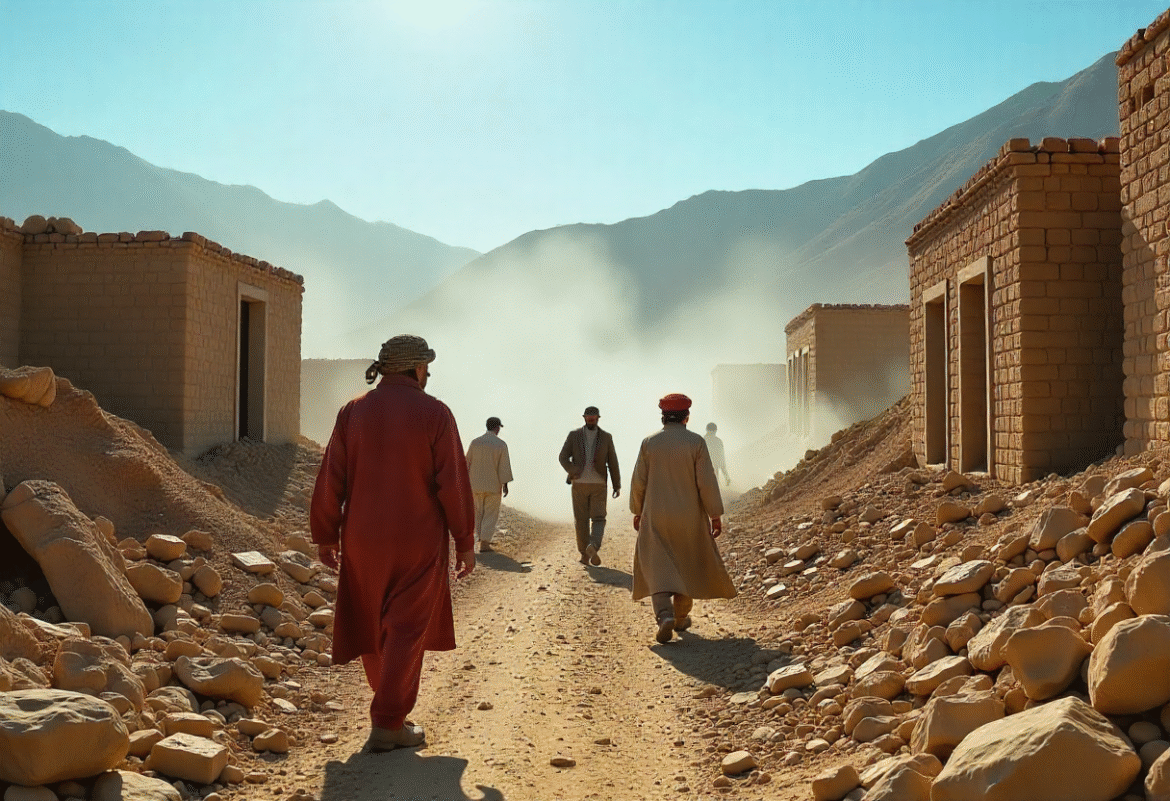
On Sunday, eastern Afghanistan was struck by a powerful earthquake that left hundreds dead, thousands injured, and entire villages reduced to rubble. The quake has been described as one of the deadliest in the region’s recent history, compounding the hardships faced by Afghans who are already grappling with political instability, poverty, and limited access to humanitarian aid.
The Earthquake and Immediate Impact
According to the U.S. Geological Survey (USGS), the 6.3-magnitude earthquake struck eastern Afghanistan, with the epicenter located near the border with Pakistan. The tremors were felt across multiple provinces, particularly in Herat and surrounding districts. Initial reports suggest that more than 2,000 people were killed and several thousand more injured, though the death toll is expected to rise as rescuers continue to search for survivors trapped under debris.
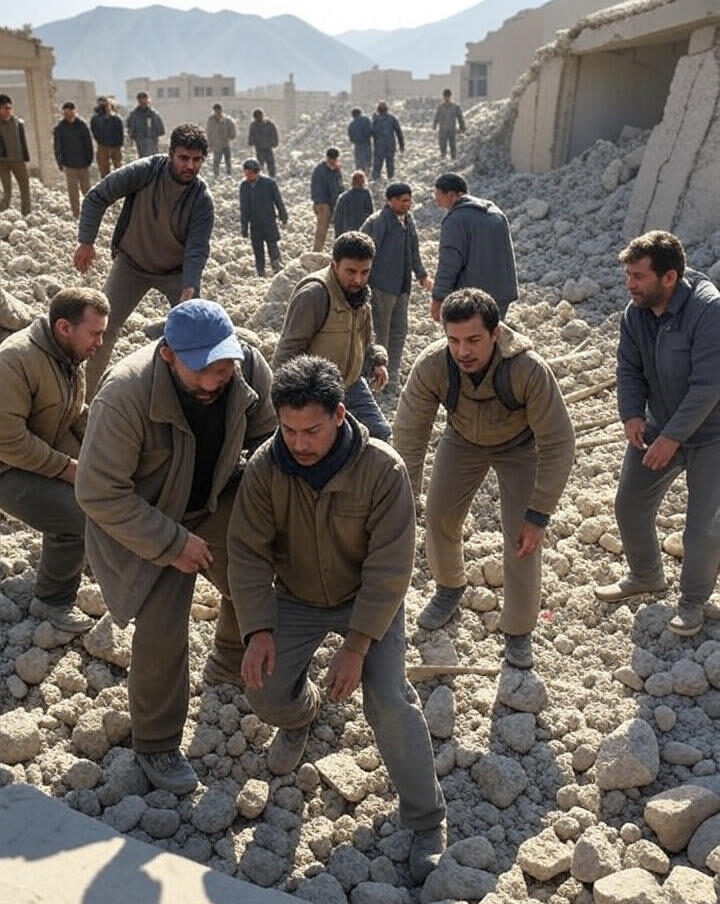
Entire families have been wiped out, while others remain missing. Homes built with mud bricks and lacking modern structural reinforcements crumbled instantly under the quake’s force, leaving communities devastated. Villagers have been digging with bare hands to search for loved ones, as professional rescue equipment is scarce in these remote areas.(Al Jazeera)
Struggles in Rescue Efforts
Emergency response has been hindered by poor infrastructure, limited resources, and damaged road networks. Many of the affected villages are located in mountainous terrain, making access difficult for rescue teams. Afghanistan’s disaster management authority has deployed emergency crews, but the lack of equipment such as bulldozers, cranes, and medical supplies has slowed progress.(Globedge)
The World Health Organization (WHO) and UN agencies have stepped in to provide emergency aid, setting up makeshift tents, field hospitals, and distributing medical supplies. However, the scale of the disaster means that international assistance is urgently required. Local hospitals are overwhelmed, with doctors treating patients on the ground due to overcrowded wards.
Humanitarian Crisis Intensifies
This disaster comes at a time when Afghanistan is already facing severe humanitarian challenges. Following the Taliban’s takeover in 2021, much of the international aid that previously supported the country has been suspended or restricted. Millions of Afghans are living in poverty, food insecurity remains widespread, and access to healthcare is extremely limited.
With the earthquake, displaced families now face exposure to harsh weather conditions, lack of shelter, and risk of disease outbreaks. Aid organizations warn that without swift and coordinated international support, the death toll could rise further.(BBC News).
International Reactions
Governments around the world have expressed condolences and pledged assistance. Pakistan, Afghanistan’s immediate neighbor, has sent relief supplies, medical teams, and food. Other countries, including Iran, Turkey, and China, have also offered help. The United Nations Office for the Coordination of Humanitarian Affairs (OCHA) emphasized the urgency of scaling up humanitarian assistance in affected regions.
Meanwhile, global humanitarian groups have urged Western governments to reconsider their restrictions on direct aid to Afghanistan, arguing that such sanctions are hampering lifesaving assistance in emergencies like this.
Afghanistan’s Vulnerability to Earthquakes
Afghanistan lies on a tectonically active region where the Eurasian and Indian plates collide, making it prone to frequent earthquakes. Most rural communities live in mud-brick houses, which are highly vulnerable to seismic activity. Lack of investment in disaster preparedness and infrastructure has left millions at risk when natural disasters strike.
Past earthquakes in Afghanistan have also resulted in high casualties. For instance, a 2022 quake in Paktika province killed more than 1,000 people. Experts have long warned that unless housing construction is modernized and disaster preparedness improved, such tragedies will continue to devastate communities.(USGS Earthquake Hazards Program).
Looking Ahead
The tragedy in eastern Afghanistan highlights the urgent need for both short-term humanitarian relief and long-term investment in resilience. Rescuers are racing against time to save lives, but the devastation underscores how vulnerable the Afghan people remain.
International aid is critical not only for immediate recovery but also for strengthening Afghanistan’s disaster response systems. With political challenges and humanitarian restrictions compounding the crisis, the fate of thousands of survivors depends on whether the world responds swiftly and effectively.