

Overview
In late August 2025, a surge of misinformation triggered widespread public alarm in Japan, with rumors claiming that a Japanese city had been “given away” to Tanzania. The fallout revealed deep seated sensitivities about immigration and demonstrated how swiftly rumors can inflame xenophobic sentiment particularly when rooted in misinterpretation and media error.
The Source of the Confusion
During the Tokyo International Conference on African Development (TICAD 9) held August 20 to 22 in Yokohama, the Japan International Cooperation Agency (JICA) launched a cultural outreach initiative. On August 21, JICA formally designated four Japanese cities as symbolic “Africa hometowns,” paired with specific African nations:
- Imabari (Ehime Prefecture) Mozambique
- Kisarazu (Chiba Prefecture) Nigeria
- Sanjo (Niigata Prefecture) Ghana
- Nagai (Yamagata Prefecture) Tanzania (The Guardian, 朝日新聞)
However, some coverage specifically a headline in the Tanzania Times that read “Japan dedicates Nagai city to Tanzania” and ambiguous translations on social media turned the benign term “hometown” into “sasageru,” which in Japanese can mean “offered up” or “sacrificed.” This mistranslation rapidly morphed into false narratives that Nagai or other municipalities were being relinquished to African countries (朝日新聞, The Guardian).
Misinformation Amplified
Adding to the chaos, reports in Nigeria claimed the Japanese government would create a special visa category for Nigerians to relocate and work in Kisarazu. These statements, misinterpreted as immigration policy, stoked outrage back in Japan. Social media posts went viral, with one claim that Kisarazu was “seriously considering handing over the city to Africans” garnering 4.6 million views (Globedge).
City halls in all four municipalities were inundated with concerned calls and emails. For instance, Sanjo city reported handling 350 phone calls and 3,500 emails in a single day; Imabari received 460 calls and 1,400 emails asking whether immigration policy had suddenly changed (The Guardian, thesun.my).
Government Response and Corrections
Japanese officials and city mayors swiftly moved to dispel the misinformation:
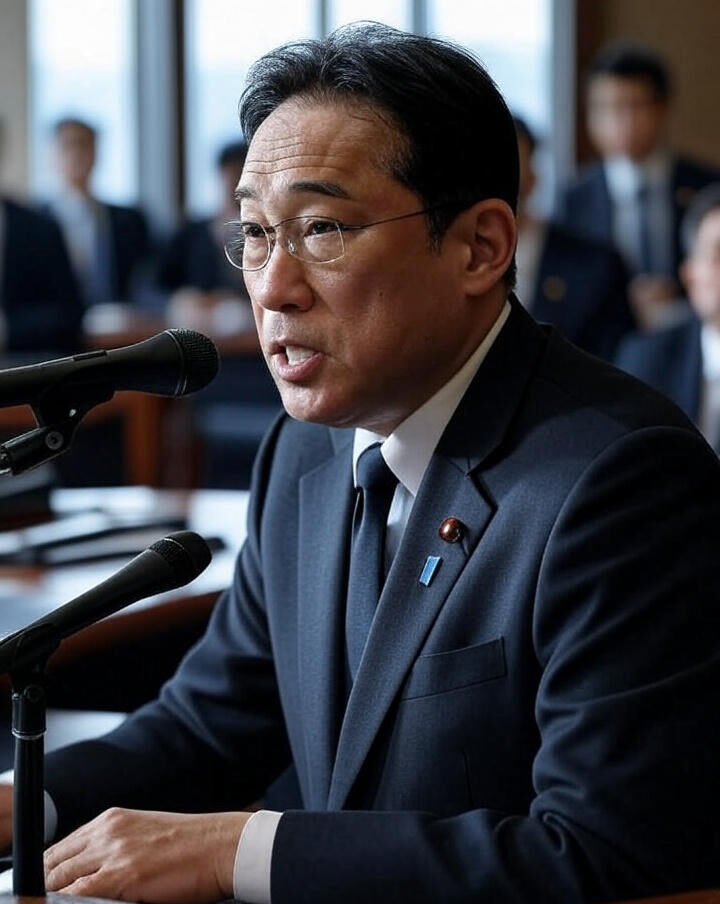
- Chief Cabinet Secretary Yoshimasa Hayashi emphasized that “there are no plans to promote accepting immigrants or issue special visas.”
- Each mayor reiterated the initiative’s true purpose: cultural and educational exchange not immigration or relocation. For example, Mayor Yoshikuni Watanabe of Kisarazu explained the cooperation would involve sports and youth programs, not accepting migrants (The Guardian, 朝日新聞, Japan Wire by KYODO NEWS, KTVZ).
The Japanese Foreign Ministry intervened, requesting Nigeria correct its inaccurate statements about special visas. Simultaneously, JICA demanded corrections from media outlets across Africa and Japan for publishing misleading information (The Guardian, 朝日新聞, JAPAN Forward).
A Window into Japan’s Immigration Sensitivities
The public backlash reflected Japan’s ongoing struggle with immigration discourse. Low birth rates, an aging population, and a recent government push for more foreign workers have heightened tensions and misinformation can inflame anxieties quickly.
As CNN noted, Japan’s historically tight immigration policies, combined with rising xenophobic rhetoric exemplified by the right wing Sanseito party made the rumor especially combustible (KTVZ, The Guardian).
Broader Implications: Truth vs. Translation
This episode underscores how partial truths, translation errors, and sensationalist headlines can distort intent. A well meaning initiative to foster cultural exchange turned into a national controversy because key words were misinterpreted, and corrective action was slow to reach the public.
It’s also a reminder of the power of social media and the importance of media literacy. When confusing or emotionally charged narratives hit platforms, they can spread rapidly often with little fact-checking. Robust fact checking institutions and responsible reporting are crucial.
Summary
Japan’s “Africa hometown” initiative was designed to strengthen international friendships and enrich local communities not to alter immigration policy or transfer governance of any city. The widespread panic that followed, based on mistranslations and misleading coverage, ultimately prompted public denials, media corrections, and discussions about how fragile trust in cross cultural projects can be.