

Introduction
In many countries, teenage pregnancies remain a pressing public health and social issue. In deeply Catholic nations, this challenge is particularly complex, as cultural and religious values often collide with calls for more comprehensive sex education. The image of mothers as young as 14 has ignited intense debates about how societies can balance faith, tradition, and the rights of young people to information that could protect their futures.
Rising Cases of Teenage Mothers
The phenomenon of teenage pregnancy is not new, but its persistence highlights gaps in education, healthcare, and societal awareness. According to UNICEF, millions of girls under 18 give birth each year worldwide, with higher concentrations in regions where access to reproductive healthcare and sex education is limited. In deeply Catholic countries such as the Philippines and parts of Latin America, the rate of teenage pregnancy is significantly higher than the global average.
At the core of the issue are girls, some as young as 14, forced into motherhood before completing their education. Many drop out of school, face economic hardship, and experience stigma within their communities. This not only impacts their personal development but also perpetuates cycles of poverty.
The Role of Religion in Shaping Policy
Catholicism plays a central role in shaping laws, policies, and cultural norms in many societies. The Catholic Church’s stance on contraception, premarital sex, and abortion is often reflected in public discourse and education policy. Comprehensive sex education programs are sometimes resisted or delayed, with arguments that they encourage promiscuity rather than prevent risky behaviors.
In countries like Poland, Argentina, and the Philippines, religious groups have consistently lobbied against the introduction of inclusive sex education. Instead, abstinence based education is promoted as the primary solution, despite evidence that it often fails to reduce teenage pregnancies.
Parents and Educators Divided
The debate over sex education is deeply divisive, not only between policymakers and religious institutions but also among parents. Some argue that schools should provide comprehensive information about reproductive health, contraception, consent, and safe practices. Others believe such topics should remain within the family, taught through the lens of religious and cultural values.
A recurring concern among conservative groups is that teaching young people about contraception will encourage early sexual activity. However, studies by the World Health Organization (WHO) and UNESCO show the opposite: access to accurate information delays sexual activity and reduces risky behaviors.(WHO)
Social and Economic Consequences
Teenage pregnancy carries long-term consequences not only for young mothers but also for society as a whole. Many teenage mothers are unable to complete their education, making it harder for them to secure stable employment. Healthcare systems face added pressure as young mothers are at greater risk of complications during pregnancy and childbirth.(Globedge)
Moreover, stigma and discrimination exacerbate the challenges faced by teenage mothers. Instead of receiving support, they are often marginalized, reinforcing cycles of inequality. Advocates argue that a stronger investment in sex education could break this cycle by empowering young people to make informed choices.
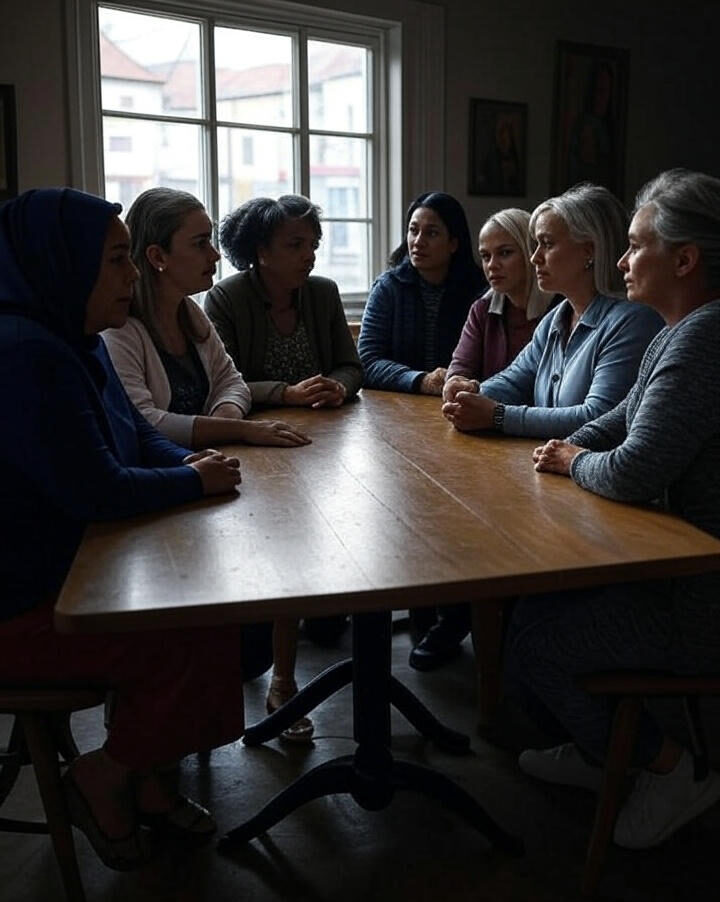
Voices of Change
Despite resistance, there is a growing movement in majority nations pushing for comprehensive sex education. Grassroots organizations, health experts, and women’s rights activists are working to raise awareness about the importance of providing young people with accurate, science-based information.
In the Philippines, for example, the Responsible Parenthood and Reproductive Health Act of 2012 was a significant milestone. Although its implementation has faced hurdles, it marked a turning point in addressing reproductive health issues. In Latin America, Argentina’s 2006 National Law on Comprehensive Sexual Education has been hailed as a progressive step, though enforcement varies across regions.
Conclusion
The debate over sex education in deeply Catholic nations reflects broader struggles between tradition and progress. While religion remains a powerful force shaping public opinion, the reality of teenage pregnancies, with mothers as young as 14, demands urgent solutions. Evidence shows that comprehensive sex education does not undermine cultural values but instead empowers young people to make informed decisions.
The challenge lies in bridging the gap between faith and science, ensuring that future generations are not forced into early motherhood due to lack of access to knowledge and healthcare. For these societies, addressing teenage pregnancy is not just a moral debate but a social and economic necessity.