
What happened
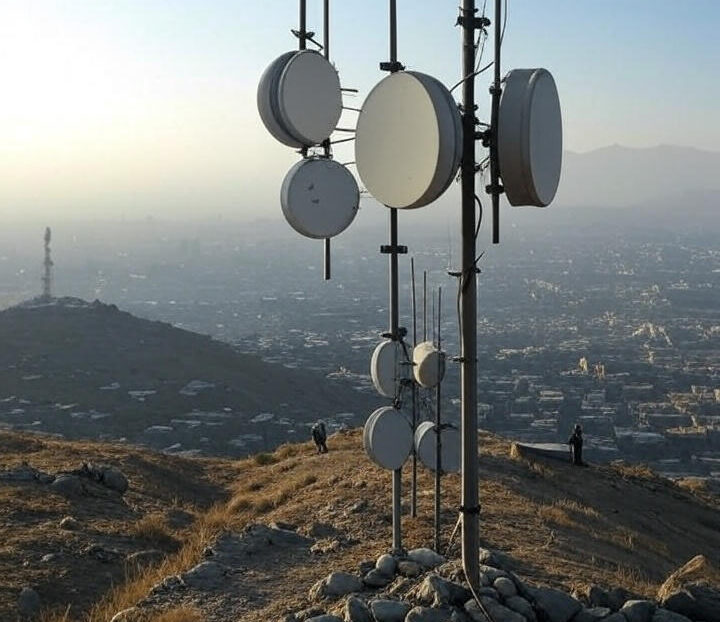
- In late September 2025, Afghanistan experienced a sweeping internet and telecommunications shutdown. Reports indicate a nationwide blackout, with connectivity dropping to extremely low levels NetBlocks, an internet monitoring group, said connectivity plunged to less than 1% of normal levels for internet and mobile phone services in many places. (Reuters)
- The blackout followed earlier moves in the month where several provinces had fiber optic internet and fixed broadband (Wi-Fi) services shut off, purportedly under orders by Taliban leader Hibatullah Akhundzada. These restrictions were justified by the regime as measures to prevent “immoral activities” or “vice.” (AP News)
- The provinces first impacted include Balkh, Badakhshan, Kunduz, Takhar, Baghlan, among others. In many areas, homes, offices, public institutions lost fiber optic internet service. Mobile data (3G/4G) remained, at least initially, though with limitations. (Amu TV)
Why it was done: the Taliban’s reasoning and morality crackdown
- According to Taliban officials, the Afghanistan fiber optic internet cuts are intended to curb what they consider “immorality” or “vice.” That may include access to online pornography, interpersonal communications (between unmarried men and women), or content forbidden under their strict interpretation of Islamic law. (euronews)
- The directive appears to come from the highest levels of Taliban leadership, especially Supreme Leader Akhundzada. Provincial governors claim orders originated from him to shut down fiber internet in their province “to prevent immorality.” (euronews)
Effects and consequences
Immediate disruptions
- Afghanistan fiber optic internet down, many people were cut off from reliable high speed connectivity. Homes, businesses, public institutions were affected. (Amu TV)
- Banking, government services, education (including online classes) and communications suffered severe disruptions. Some provinces saw critical institutions like banks and national ID offices forced offline or severely limited. (Amu TV)
Impact on women, girls, and vulnerable populations
- Women and girls, already heavily restricted in Afghanistan under the Taliban regime, appear especially hard hit. Many used internet access (via Wi-Fi or fiber) for education, small business, crafts, tailoring, embroidery etc. Losing reliable broadband undermines their ability to participate in economic activity, to learn, or to connect with the outside world. (Reuters)
- Educational programmes that rely on online content are stalled or impossible in many regions. (8am Media)
Broader social, economic, and humanitarian consequences
- The blackout affects commerce: businesses that depend on digital communication, clients outside provinces or abroad, online orders, etc., are disrupted. (Asiaone news)
- Public services health, banking, identity services often need digital infrastructure. The lack of connectivity can delay or prevent services. (Amu TV)
- Freedom of expression and media are under threat. Journalists lose means to report, media outlets cannot function normally, citizens cannot share or receive information. International rights groups have condemned the move as censorship and suppression. (Committee to Protect Journalists)
International reaction and legal concerns
- The United Nations has called on the Taliban to restore internet and telecom services. They warn that the shutdown aggravates humanitarian crises, isolates communities (especially women and girls), and damages vital services. (AP News)
- Human rights organizations, media watchdogs (e.g. Committee to Protect Journalists) are condemning the move as censorship, undue restriction of access to information and violation of rights to free expression. (Committee to Protect Journalists)
What this reveals about the Taliban regime’s priorities and patterns
- This episode is consistent with an ongoing pattern of restrictions under the Taliban since they took over in 2021: tightening control over media and communications, limiting women’s rights, banning or greatly limiting certain forms of cultural, academic, or social expression. (Reuters)
- The regime is increasingly using “morality” or “immorality” as a justification to restrict digital freedoms as well as social freedoms more broadly. The internet is being seen not just as a tool but as a space that needs regulation according to their norms.
Risks and implications
- Isolation of citizens
The blackout isolates people not only from each other, but from the globe. Important information from outside (news, medical info, humanitarian assistance) becomes harder to obtain or spread. - Economic damage
Disruptions to commerce, especially small-business, handicrafts, trade that depend on internet, possibly including remittances, digital payments, etc., harm livelihoods. Economic stagnation or decline in affected regions. - Educational setbacks
Students, especially in areas where offline alternatives are weak, could fall irreparably behind. For girls, the internet may have been one of their few remaining access points to education or connection. - Humanitarian risks
Disruption of telecoms affects warnings (e.g., for natural disasters, earthquakes), access to aid messaging, health care coordination. In emergencies, being unable to communicate can cost lives. The move has been described by the UN as worsening humanitarian crises. (AP News) - Precedent for further control
Once such sweeping measures are accepted or normalized, it becomes easier for the regime to impose further restrictions cut more services, impose censorship, restrict social media, expand surveilance. - Credibility and prestige impact
Internally, there may be dissent or frustration. Externally, the Taliban’s reputation is affected: among international community, donors, human rights groups. It complicates any engagement, aid, or recognition efforts.(Globedge)
Key uncertainties and open questions
- Scope and duration: It is not fully confirmed how long the blackout will last, or whether all provinces are affected equally. Some reports suggest that mobile internet or 2G remains in some places. (Reuters)
- Specific behaviors considered “immoral”: The regime has not clarified exactly which online content or activities they aim to stop. “Preventing immorality” is vague and may be used flexibly. (Amu TV)
- Internal divisions: Some reporting suggests there are disagreements within Taliban officials some more pragmatic officials concerned with the damage to governance, service delivery, and economy; others insisting on strict moral policing. (The Washington Post)
- Alternate infrastructure or compensatory systems: Taliban spokesmen say “alternatives will be built for necessities.” Exactly what those are (lower speed internet, controlled access, filtered content, satellite internet?) is not yet clear. (euronews)
Broader significance
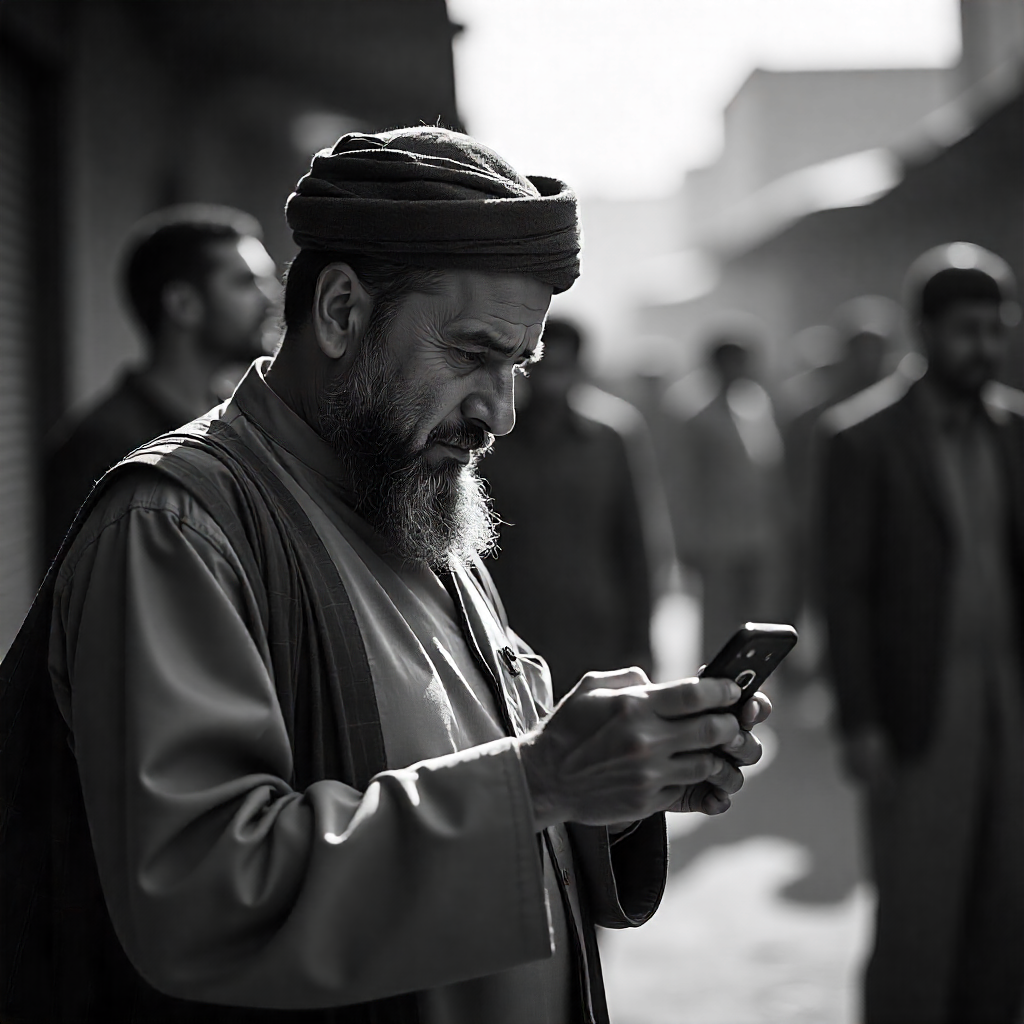
- Freedom of information and digital rights: The blackout is a major case in point of how governments can disrupt or restrict internet access as a tool of control. It underscores the fragility of digital rights in environments where governance is authoritarian.
- Gendered impact: Because women and girls in Afghanistan are already restricted in mobility, employment, education, etc., the internet has been one of their lifelines. Losing it further deepens inequalities and isolation.
- Humanitarian and developmental implications: Afghanistan already faces multiple crises economic, health, displacement, disasters. Communication infrastructure is essential for humanitarian coordination, disaster response, health information, etc. Cutting it off makes existing vulnerabilities worse.
- International pressure and policy responses: This kind of action typically draws condemnation, but the effectiveness of external pressure (sanctions, diplomatic appeals) is limited when the regime is internally resilient and unconcerned with external legitimacy, or when they can limit exposure to external influence.
- Technology and surveillance: The blackout may be only one tool; regulation, filtering, surveillance, and control over what remains of the internet will likely increase. The regime may try to centralize control over any remaining communication channels.
Conclusion
The “total internet blackout” in Afghanistan especially the shutdown of fiber-optic internet across many provinces, followed by a near nationwide collapse in connectivity is part of a larger Taliban strategy of enforcing a stricter moral code, controlling information, and limiting perceived immorality. While justified by regime officials in the name of preventing “vice,” the blackout produces wide disruptions: for media, businesses, education, humanitarian aid, women and girls, and overall governance.
It raises serious concerns about freedom of expression, access to information, civic participation, and human rights. The longer and more sweeping the blackout, the greater its harms not just to individual rights but to the country’s stability, social cohesion, and ability to function economically or deliver services.