
Homeless, mental illness, and U.S. policy background
Homeless and serious mental illness often intersect: among people living unsheltered (on the streets or in encampments), about 26 % are estimated to have a serious mental illness (SMI), and a similar share have chronic substance use disorders. (KFF) Because U.S. policies shifted in past decades away from large psychiatric institutions (“deinstitutionalization”) toward community based care, many people with serious psychiatric conditions live in outpatient settings, shelters, or are unhoused when supports are lacking. (Wikipedia)
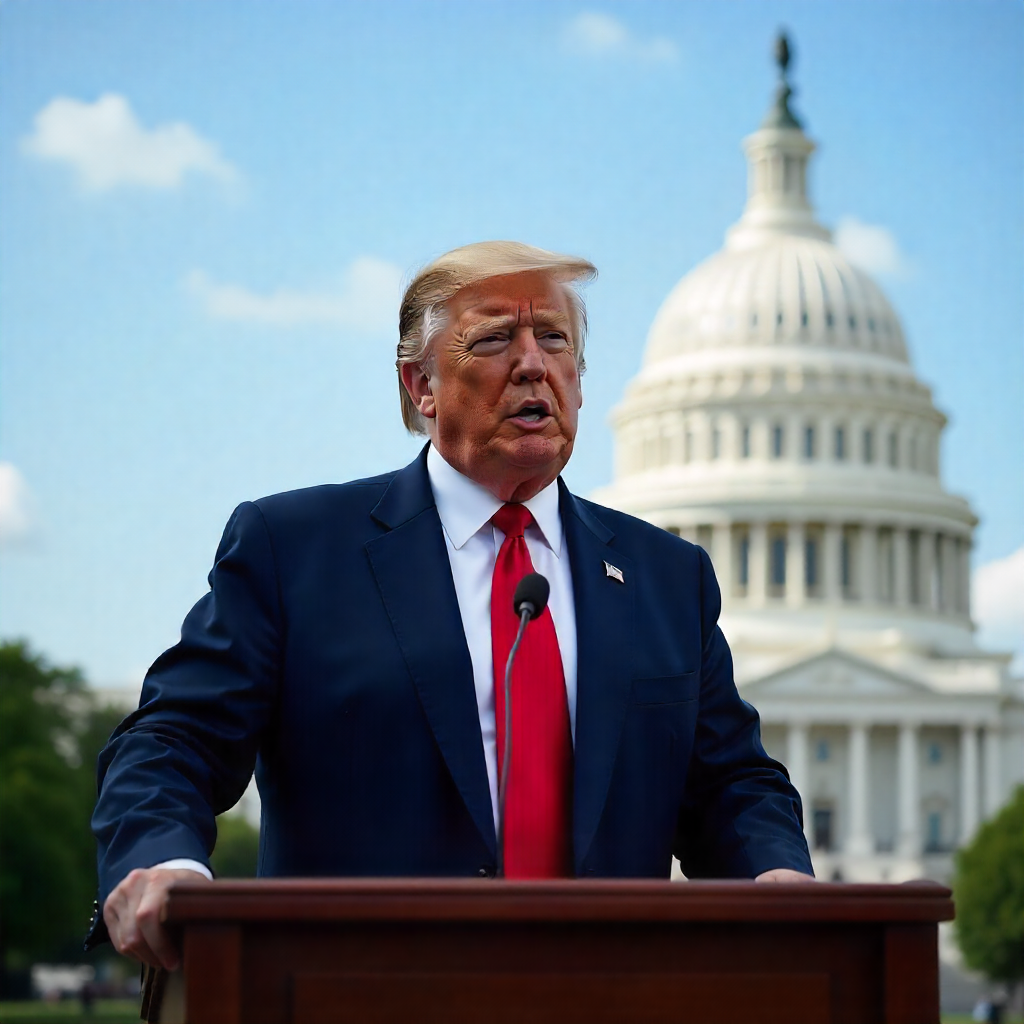
Over time, U.S. federal and state programs have promoted a model known as “Housing First”, which places people into stable housing without requiring sobriety or mandatory treatment as a precondition, on the idea that housing stability is itself a foundation for health interventions. (KFF) But the new Trump administration is signaling a shift away from that model toward more coercive, institutional remedies while simultaneously cutting back funding for many of the services that support voluntary, community based care.
What Trump is proposing: forced institutionalization and program cuts
Executive order and directives
In July 2025, President Trump signed an executive order titled “Ending Crime and Disorder on American Streets” (or a related homelessness/mental health order) that includes major changes in approach to homelessness, mental health, and substance use. (KFF) Key components:
- Encouraging broader civil commitment / involuntary treatment
The order directs federal agencies (Justice, HHS, HUD) to support states in revising and “maximally flexing” their civil commitment and institutionalization laws. In other words, it encourages more cases in which people with mental illness or substance use disorders who are homeless and “cannot care for themselves” can be involuntarily committed to psychiatric hospitals or treatment settings. (National Alliance to End Homelessness) - Defunding or deprioritizing “Housing First” and unconditional assistance programs
The order pushes HUD to end or reduce funding for programs that use the Housing First model (which provide housing without requiring treatment), and instead shift toward models that make treatment, sobriety, or compliance with rules prerequisites for assistance. (KFF) - Crackdown on homelessness encampments and public camping
The executive order also presses states and localities to ban public camping, loitering, squatting, and open-air drug use. Cities that comply may be given priority in federal grant allocations. (KFF) - Reversal of legal precedents and constraints
The order asks the Attorney General to pursue reversal of judicial precedents, consent decrees, or court orders that limit involuntary commitment authority or restrict how encampments can be cleared. (Globedge) - Defunding or limiting harm reduction, substance use programs, and mental health grants
The order also calls for ceasing federal support for harm reduction programs (which reduce the harms of drug use, e.g. needle exchanges, naloxone distribution) and reorienting funds toward enforcement, treatment courts, and institutional care. (KFF)
Cuts to supportive programs and funding
At the same time that Trump is pushing toward more coercive measures, his administration is also enacting or proposing steep cuts in funding for many of the programs that help people avoid crises in the first place:
- Mental health and substance abuse programs: More than $1 billion in cuts have already been made to grants administered by SAMHSA (Substance Abuse and Mental Health Services Administration). (KFF)
- HUD homelessness programs: The administration is pursuing dramatic cuts to HUD’s Continuum of Care (CoC) housing programs, slashing funding for permanent supportive housing, and reallocating toward transitional housing with service and work requirements. (Politico)
- Medicaid and health coverage: The administration has already enacted cuts through reconciliation packages that reduce access to behavioral health coverage under Medicaid, which many people with serious mental illness rely on. (KFF)
- Disability services and civil rights protections: More broadly, critics argue that the administration is dismantling disability rights protections and DEIA (diversity, equity, inclusion, accessibility) programs, weakening the infrastructure that supports people with mental health or other disabilities. (Center for American Progress)
In sum: on one hand, the administration is pushing harder for involuntary hospitalization and institutionalization; on the other, it is reducing the capacity and funding of voluntary, community-based support systems.
Critiques, risks, and legal/ethical concerns
Civil liberties and due process
Critics warn that expanding involuntary commitment and forced homeless hospitalization of homeless individuals is a serious threat to civil liberties. The standard legal protections in many states require that a person be a danger to themselves or others to be involuntarily committed. Expanding the threshold to include being on the street or “unable to care for oneself” opens the door to arbitrary detention. (The Marshall Project)
Moreover, the order’s push to overturn judicial precedents and consent decrees raises significant constitutional and legal concerns. (National Alliance to End Homelessness)
Ineffectiveness and cost
Many experts argue that institutionalizing people doesn’t address the root causes of homelessness or mental illness, such as lack of housing, poverty, trauma, social supports, and underfunded community mental health systems. (The Marshall Project)
Institutional care is also very expensive and may trap people in long stays without homeless adequate plan for release. It can strain budgets and hospital infrastructure, especially given existing bed shortages. (Prison Policy Initiative)
The Marshall Project notes that Trump’s plan is “misguided” because you can’t “commit your way out” of homelessness when you haven’t built community services to discharge people or prevent relapse. (The Marshall Project)
Contradictory or hollow policy design
Another criticism is that the order demands more commitment homeless but does not provide new funding for institutions, treatment facilities, or expanded capacity. States may lack resources to detain or treat more people, meaning the policy may be symbolic or coercive without real infrastructure to back it. (KFF)
Furthermore, cutting the very programs that ease homeless (housing, supportive services) undercuts the possibility that people can avoid crisis and thus need less hospitalization. Critics say it’s contradictory to force people into institutions but simultaneously dismantle preventative care systems. (Prison Policy Initiative)
Stigma, discrimination, and misuse
The policy may further stigmatize mental illness and homelessness, reinforcing the idea that people are dangerous or incapable of self care, rather than victims of structural issues. (American Civil Liberties Union)
Because criteria for commitment are vague, there is a risk of misuse or targeting of marginalized groups (racial minorities, people with substance use disorders) under the guise of treatment. (American Civil Liberties Union)
Conflict with modern mental health models
Modern psychiatric and mental health practice emphasizes voluntary, community based, recovery oriented care rather than coercion. The shift toward forced hospitalization can undermine trust, worsen therapeutic relationships, and reduce the willingness of people to seek help before crisis. (National Alliance to End Homelessness)
Also, many people with mental health challenges do not want or respond well to institutional care; outflow and relapse become issues if community supports are weak. (National Alliance to End Homelessness)
Potential impacts and what to watch
On people experiencing homelessness and mental illness
- More people could be involuntarily detained, possibly even those who are not imminently dangerous raising large ethical and legal questions.
- Without adequate infrastructure, institutions may become overcrowded and under resourced.
- Persons discharged without proper housing support may quickly relapse into homelessness or re hospitalization.
- People may avoid seeking help or hiding mental health crises to avoid involuntary commitment.
On housing and homelessness
- Erosion of the Housing First model could worsen homelessness, as access to stable housing may become contingent on compliance with treatment rules or sobriety.
- Cuts to housing assistance programs may push more people into homeless, increasing the population vulnerable to forced institutionalization. (Politico)
- Cities and states might face legal battles if they refuse to comply or lack funds to meet enforcement demands.
On mental health system and public health
- The mental health system may see increased demand in institutional settings, putting pressure on psychiatric hospitals and resources.
- Shifting resources away from harm reduction and voluntary outpatient services may exacerbate crises, overdoses, and untreated illness.
- Public health approaches based on trust and community care may be undermined by coercive regimes.
On legal and civil rights
- Legal challenges are likely, especially around involuntary commitment statutes, due process, and constitutional rights.
- Courts may have to weigh federal vs. state authority, and the boundaries of executive orders over established precedent.
- Civil rights organizations, disability rights groups, and homelessness advocates are likely to push back. (American Civil Liberties Union)
Why this approach is controversial rather than consensus
- This is a return some argue regression to older models of psychiatric institutionalization that were scaled back in the latter 20th century because of abuses, cost, and human rights concerns. (Wikipedia)
- Decades of research show that stable housing plus voluntary, integrated supports are more effective, humane, and sustainable than mandatory institutionalization. (National Alliance to End Homelessness)
- The juxtaposition of promoting forced care while cutting funding for care and housing raises serious questions about coherence and political intent. Critics see it as punitive rather than therapeutic.