
Norway’s Strategic Shift
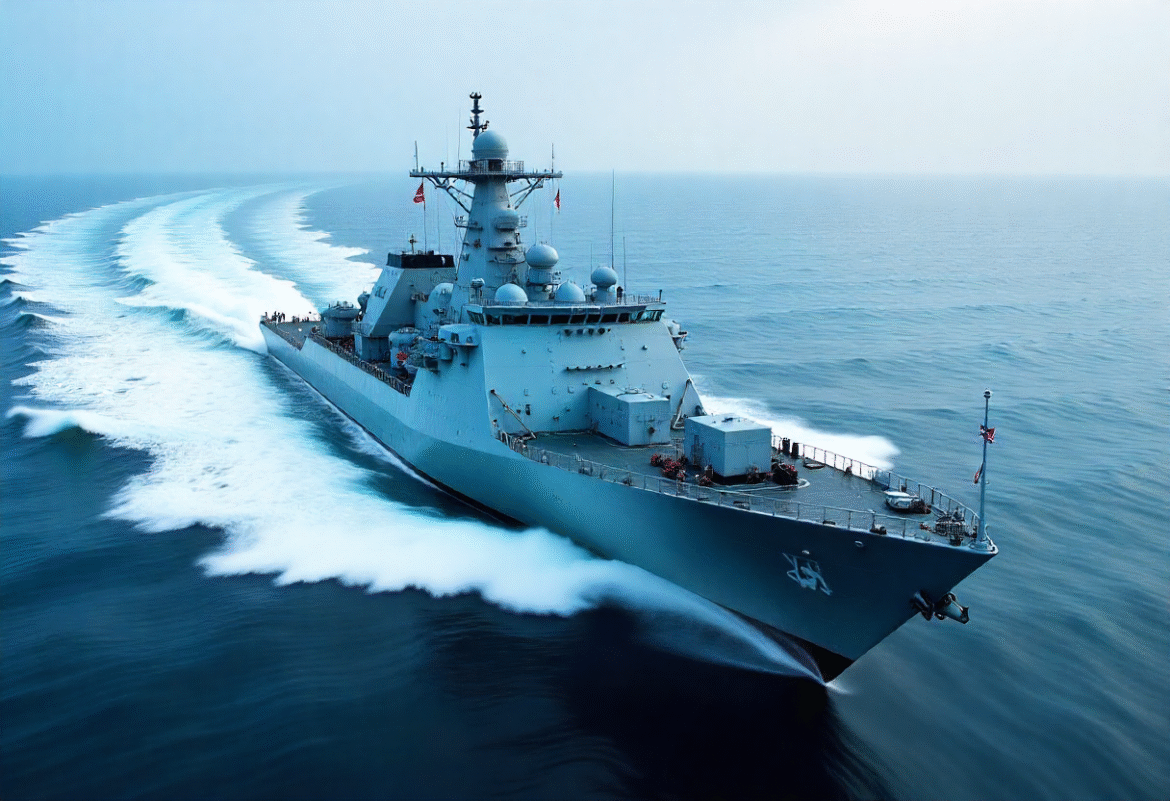
In a landmark decision that significantly reshapes Northern European defense architecture, the Norwegian government announced in November 2023 its selection of the British Type 31 frigate design for its new fleet of warships. This monumental deal, valued at approximately NOK 150 billion ($13.5 billion USD), marks a pivotal step in Norway’s decades long plan to modernize its naval forces and address growing security concerns in the High North and the North Atlantic.
The Program: The Future Norwegian Frigate
The Norwegian program, known as Frameworkskapet for Måkefregatten (The Frigate Capability), aims to replace its current fleet of four aging, 1990s era Fridtjof Nansen class frigates. These ships, though modernized, are increasingly outmatched by the advanced naval capabilities of potential adversaries, most notably Russia, which has heavily invested in its Northern Fleet based on the Kola Peninsula.
Norway required a new class of at least five multi-role frigates that are larger, more heavily armed, and possess greater survivability than their predecessors. The key requirements included:
- Enhanced Air Defense: To protect themselves and other naval assets from aerial threats, including advanced missiles.
- Anti-Submarine Warfare (ASW): Critical for controlling the strategic GIUK Gap (Greenland Iceland UK), a choke point for Russian submarines accessing the Atlantic.
- Flexibility: The ability to conduct a wide range of missions, from peacetime presence and counter-piracy to high intensity conflict.
- Crew Efficiency: Utilizing automation to allow a smaller crew to operate a larger, more complex vessel, reducing long term operational costs.
The Winning Design: The Inspiration class (Type 31)
Norway did not choose to develop a bran -new, bespoke design. Instead, it selected an adapted version of the UK Royal Navy’s Type 31 frigate, known as the Inspiration-class. The prime contractor for the program is a consortium led by British defense giant Babcock International, the original designer and builder of the Type 31.(Reuters)
The selection is a triumph for the UK’s shipbuilding export strategy. The Type 31 itself was designed from the outset to be a modular, adaptable, and cost-effective platform for both the UK and the global market. The Norwegian variant will be tailored to its specific needs, integrating Norwegian and other Scandinavian subsystems, including:
- Kongsberg Defence & Aerospace’s Naval Strike Missile (NSM) and NTDS combat system.
- Thales Netherlands’ air surveillance radar.
- A different main gun and likely other unique sensor and electronic warfare suites.
This “tailored” approach allows Norway to benefit from a proven, low-risk hull design while ensuring the final product meets its precise operational requirements and supports its domestic defense industry.(Globedge)
Strategic Rationale and Implications
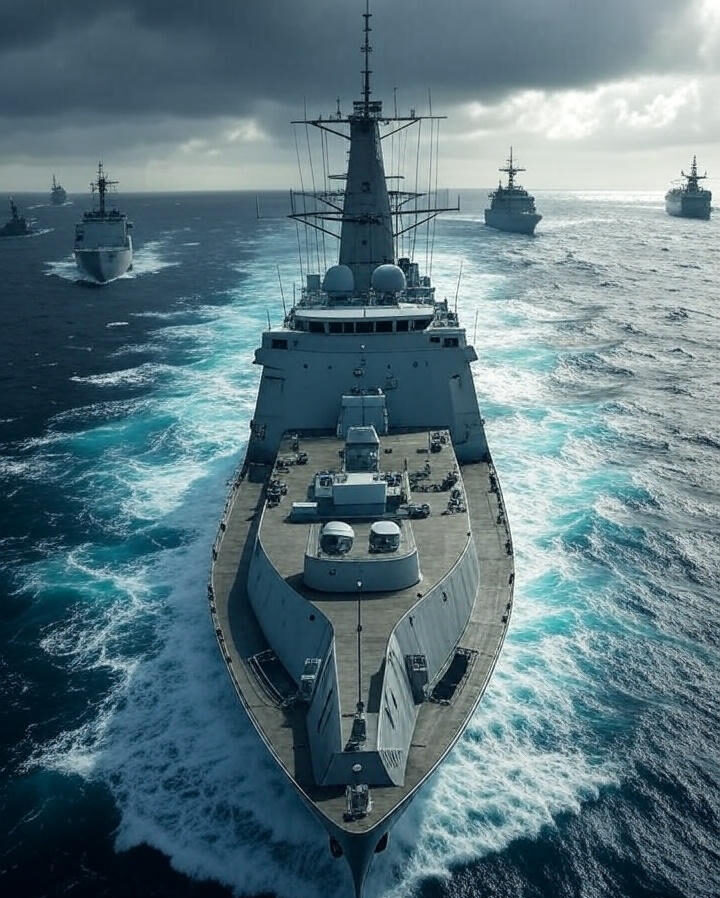
The decision was driven by a confluence of strategic, economic, and geopolitical factors:
- Deterrence in the High North: The primary driver is the heightened geopolitical tension following Russia’s invasion of Ukraine. Norway shares a 198 kilometer land border with Russia in the Arctic. A modern, capable frigate fleet is essential for monitoring activity, asserting sovereignty, and contributing to NATO’s collective deterrence in this strategically vital region.
- Deepening UK-Norwegian Defense Ties: This deal cements an already close defense relationship between two key NATO members. It follows years of collaboration, including the joint development of the Naval Strike Missile and Norway’s participation in the UK’s Carrier Strike Group. Interoperability between the Royal Navy and the Royal Norwegian Navy will be exceptionally high, a significant force multiplier for NATO.
- Economic and Industrial Benefits: While built in the UK, the deal includes substantial industrial participation from Norwegian companies like Kongsberg. This ensures that a significant portion of the massive investment flows back into Norway’s high-tech defense sector, securing jobs and fostering innovation. For the UK, it validates its national shipbuilding strategy and boosts its export credentials.
- A Cost-Effective and Timely Solution: Choosing an existing, mature design de-risks the program compared to designing a frigate from scratch. It promises faster delivery timelines and more predictable costs, allowing Norway to field capable ships sooner amidst an urgent security environment.
Conclusion
Norway’s $13.5 billion frigate deal is far more than a simple arms purchase. It is a strategic statement of intent. By selecting the British Type 31 design, Norway is making a calculated investment in a capable, modern, and interoperable navy that will serve as the cornerstone of its national defense for decades. The decision strengthens the Nordic-British axis within NATO, sends a clear message of deterrence in the Arctic, and exemplifies the trend of European nations banding together to bolster collective security in a new era of geopolitical competition.