
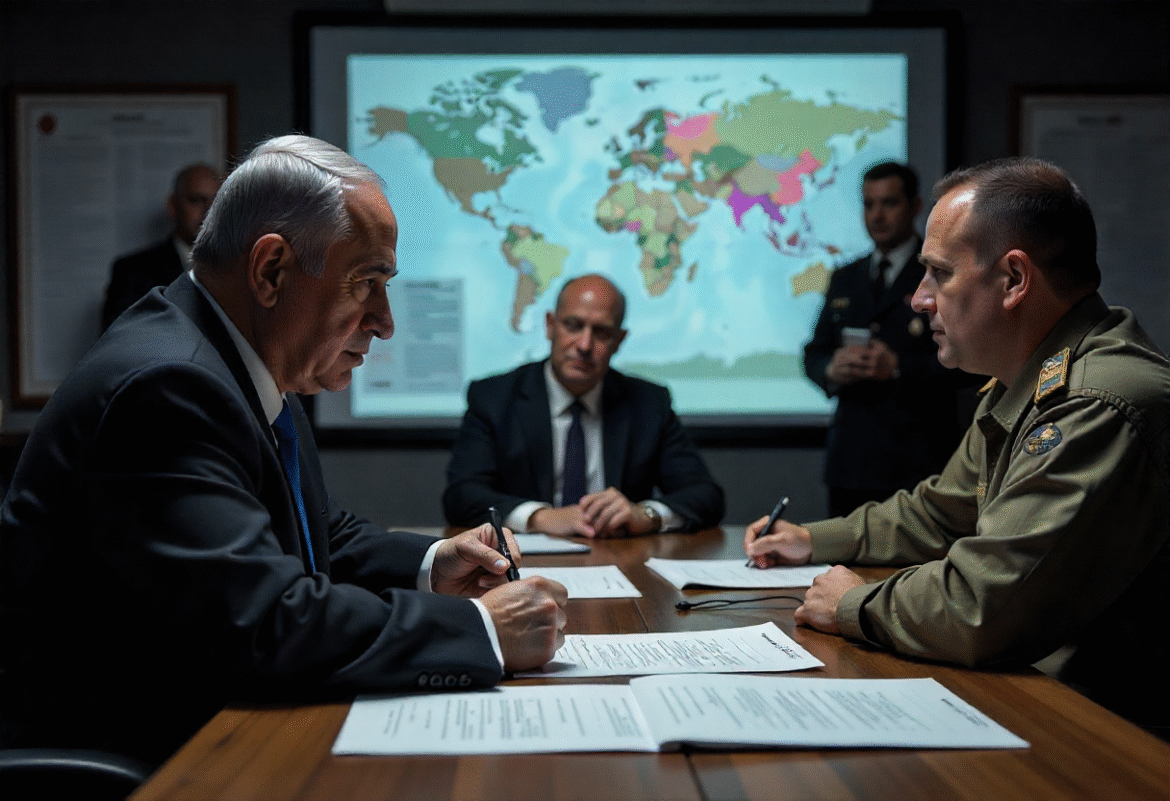
Dual Strategy Unveiled
Israeli Prime Minister Benjamin Netanyahu officially approved a large scale military operation to seize Gaza City, while at the same time instructing officials to immediately begin negotiations for the release of all Israeli hostages and an end to the nearly two year war “on terms acceptable to Israel.”
Netanyahu emphasized that defeating Hamas and releasing hostages go hand in hand, underscoring the interconnected goals of military pressure and diplomatic outreach.(The Times, Erie News Now, JNS.org)
Military Build Up and Action
Simultaneously, Israel has accelerated preparations for the offensive, calling up 60,000 reservists and extending the service of 20,000 more, signaling readiness for an imminent operation. Limited targeting of Hamas-controlled areas in neighborhoods like Zeitoun and Jabaliya has already begun, while medical and humanitarian organizations in northern Gaza have been ordered to evacuate southward.(The Times, AP News, The Times of India, Al Jazeera)
Ceasefire Proposals and Hesitations
Mediators from Egypt, Qatar, and the U.S. have presented a ceasefire proposal that Hamas reportedly accepted calling for a 60 day truce, the release of 10 living hostages and 18 bodies in exchange for around 200 Palestinian security prisoners(Globedge).
Netanyahu’s statement constitutes Israel’s first public response, but he stopped short of sending a delegation to the mediators highlighting Israel’s insistence on strict control over terms and pace.(The Times, The Times of Israel, Reuters, Al Jazeera)
Growing Humanitarian Alarm
This dual approach military escalation coupled with diplomatic overtures has sparked serious humanitarian concerns. The UN and Red Cross warning that an offensive on Gaza City risks a catastrophic humanitarian crisis involving mass displacement of over one million Palestinians.(The Guardian)
As the offensive looms, media and aid organizations are pressing for greater access; meanwhile, searches confirm famine conditions as aid access has been systematically restricted.(The Guardian, The Times)
Domestic Response & Political Tensions
Families of hostages frustrated with the offensive are urging Netanyahu to accept the ceasefire proposal to safeguard remaining captives. Simultaneously, far right factions within Israel exert pressure to reject any deal that doesn’t mirror Israel’s broader military objectives.(The Times, The Times of Israel, Reuters, The Guardian)
Large scale protests within Israel reflect mounting public dread that this offensive imperils both civilians in Gaza and hostages held there.(The Guardian, Wikipedia)
What This Means in Context
- Strategic Diplomacy: Netanyahu’s simultaneous push for negotiations while initiating an offensive reveals a calculated blend of carrot and stick diplomacy.
- Uncertain Path Forward: The ceasefire proposal remains alive but without Israel’s full commitment or flexibility, real progress is uncertain.
- Humanitarian Alarm Bells: With famine and displacement already underway, any escalation could magnify the humanitarian fallout.
- Domestic Rift: Internal divisions in Israel between hostage families pleading for peace and political hardliners calling for total victory could affect decision-making as the offensive progresses.