
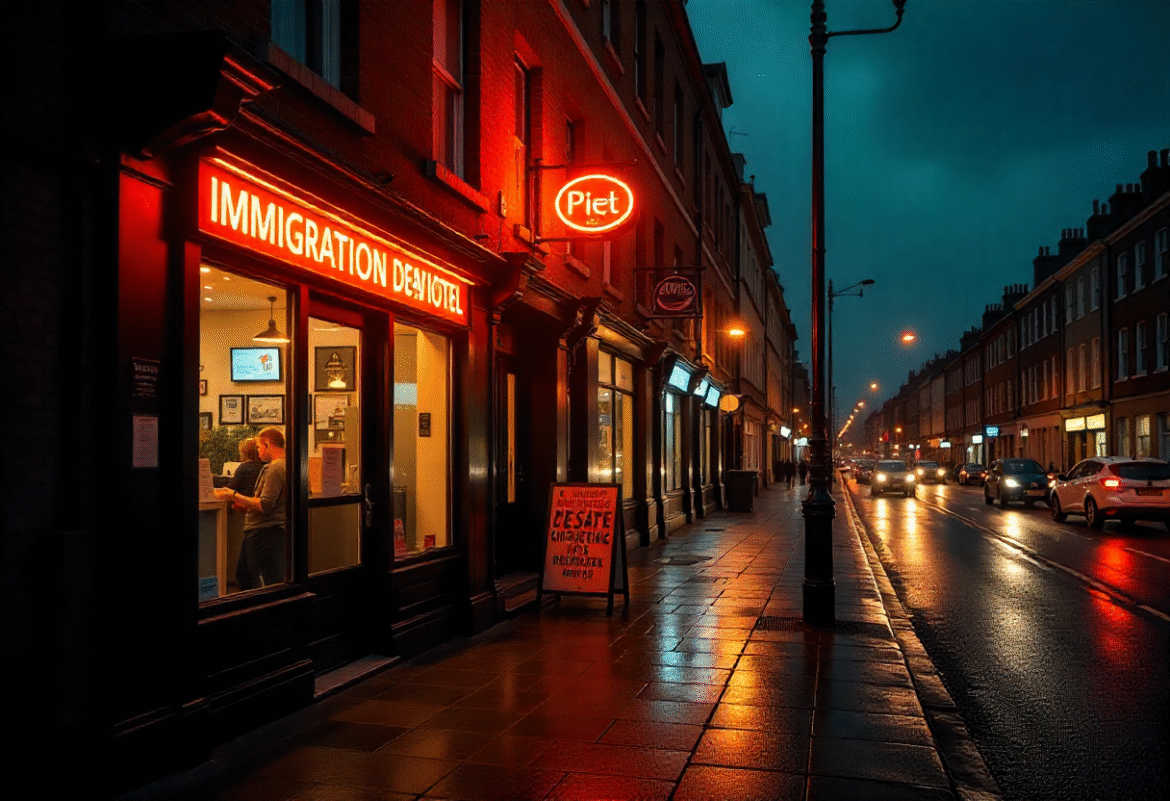
From Overflow Shelters to Political Flashpoints
- In recent months, British hotel have transformed from temporary shelters for asylum seekers into lightning rods for fierce political and social debates. This public tension was ignited when Epping Forest District Council secured a High Court injunction to stop the Bell Hotel in Essex being used for long term asylum housing on the grounds of breaching planning regulations by constituting a “material change of use” without proper permission. (Financial Times, AP News)
- This legal decision didn’t just affect one establishment it empowered councils across party lines to consider similar actions, destabilizing the government’s strategy of using hotels as temporary accommodations for roughly 32,000 asylum seekers around June 2025. (Globedge, AP News)
Escalating Protests and Political Polarisation
The ruling triggered protests at the British hotel, some turning violent, where demonstrators chanted slogans such as “save our kids” and “send them home.” Authorities recorded multiple arrests amidst far right activism and heightened community tensions. (AP News, The Times, Wikipedia)
These initial confrontations prompted a wave of anti immigration demonstrations across at least a dozen UK towns and cities including London, Manchester, Bournemouth, Norwich, Cardiff, and Glasgow. Protesters raised concerns about safety, lack of local consultation, and burdens on community infrastructure. (Wikipedia)
Meanwhile, counter protest groups comprising anti racism activists, unions, migrant support organisations, and local coalitions mobilized to challenge rising xenophobia and the appropriation of public anxiety for extremist agendas. (Wikipedia)
Personal Stories and Human Costs
The human dimension of this conflict cannot be ignored. Residents at the Bell Hotel like Khador Mohamed from Somalia have described feeling like criminals, enduring insults, hostile gestures from passersby, and even being hit with soda cans. Mohamed stated: “We’re seen as rapists, paedophiles and thieves,” when before they were just “normal people.” (The Guardian)
Such details highlight the emotional toll on individuals stuck at the crossroads of law, policy, and public sentiment. The court-ordered deadline to vacate (by September 12) has thrust approximately 30,000 asylum seekers into limbo, unsure where they’ll go next. (AP News, The Guardian)
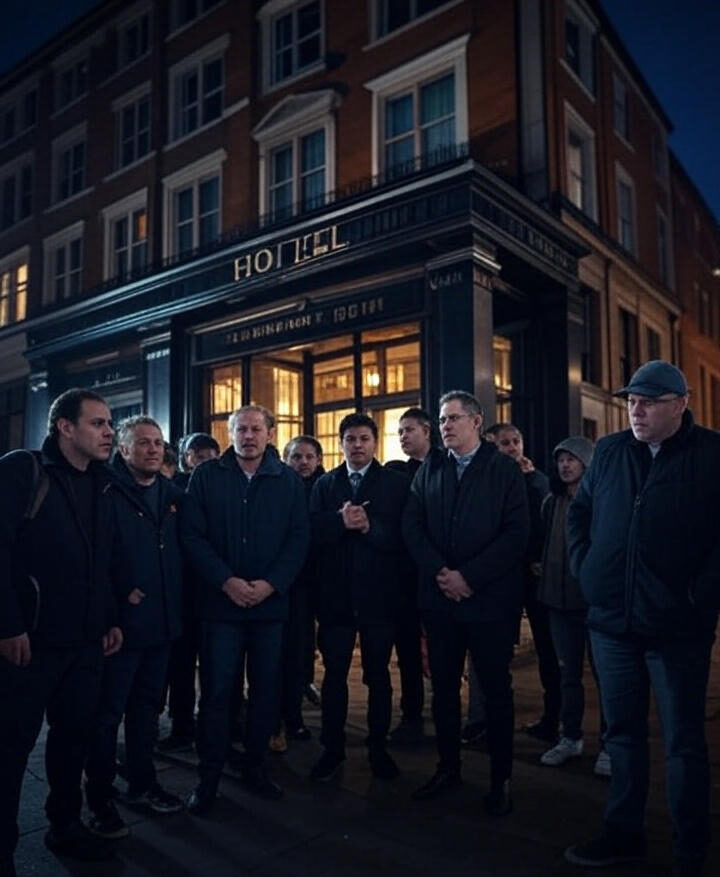
Government under Strain and Reform Pressures
In the wake of unrest and legal setbacks, the government faces mounting pressures. Asylum applications soared to a new high 111,084 in Starmer’s first year while hotel accommodations persist at over 32,000. (Financial Times, The Guardian)
Home Secretary Yvette Cooper’s administration is scrambling to advance alternative strategies: investing £100 million to enhance border security and streamline asylum processes, reducing delays while ultimately aiming to cut reliance on hotels. (Financial Times)
Proposed solutions include repurposing private housing, former military bases, or community based models though planning law interpretations continue to complicate quick fixes. (The Week, Financial Times)
A Turning Point in Asylum Policy?
The hotel’s story has rapidly escalated into a defining battleground for UK immigration policy. The interplay of local planning law, emotional public response, media amplification, and judicial rulings has rendered hotel based asylum housing politically unsustainable.
With legal precedents shifting, councils empowered, and government scrambling for alternatives, hotels may no longer serve as a long term patch. Yet replacing them remains a massive logistical and political challenge fraught with delays, community pushback, and deepening divides.