

On July 7, 2025, during the nationwide Saba Saba protests, 12‑year‑old Bridget Njoki Wainaina was fatally struck by a stray police bullet in her family’s home in Ndumberi, Kiambu County, Kenya. She was watching TV with her parents when a bullet, likely fired by officers dispersing protesters, pierced the ceiling, hitting her in the head. Despite efforts at St. Bridget’s Hospital, she was pronounced dead—a tragedy that shocked the nation (Kenyans).
Funeral and National Mourning
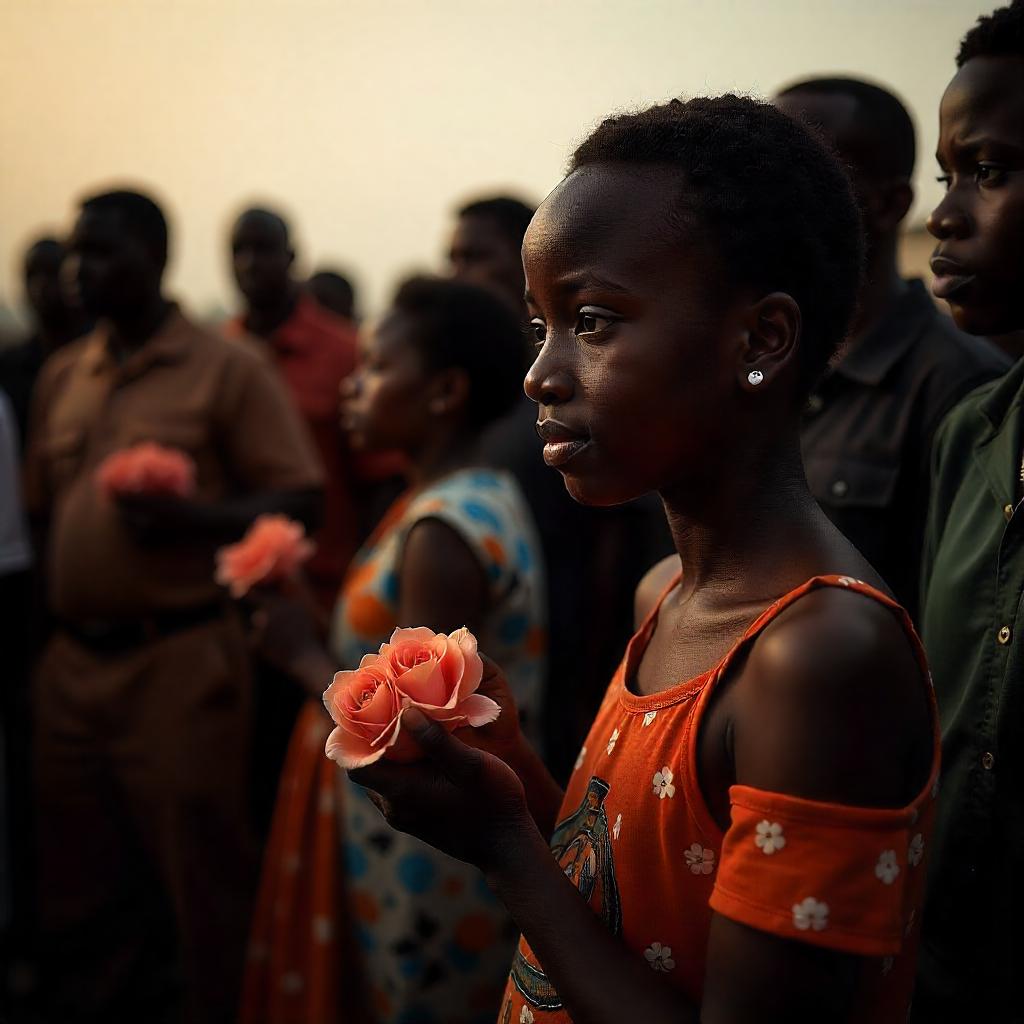
On July 16, hundreds gathered at the Our Lady of Fatuma Catholic Church in Ndumberi to mourn Bridget at a deeply emotional funeral. Friends, classmates, clergy, local leaders, and opposition figures attended, many moved to tears. Bridget’s mother fainted; her father urged that her death must not be in vain. Her classmates shared memories during a heartfelt requiem mass (Tuko.co.ke – Kenya news.).
Public Outcry and Protests
Immediately after Bridget Njoki death, protests erupted across Ndumberi and some areas of Kiambu County. Residents confronted riot police, demanding justice and condemning reckless use of live ammunition in residential areas. Fears grew that Bridget’s case highlighted a disturbing trend in state responses to dissent .
Leadership Speaks Out
Opposition figures, including Nairobi Woman Representative Esther Passaris, strongly reacted. Passaris described watching Bridget’s burial as “utterly heartbreaking” and demanded six-point reforms, such as:
- A public apology from police.
- Transparent details on how Bridget died.
- Compensation for the family.
- Mandated body cameras.
- Ban on live ammunition against civilians.
- Human rights training for officers (The Star, allAfrica.com).
Githunguri MP Gathoni Wamuchomba also condemned police and Interior CS Kipchumba Murkomen’s “shoot-to-kill” directives, questioning why an “innocent girl” had to die (allAfrica.com).
Wider Context: Saba Saba Protest Violence
Bridget Njoki’s death forms part of a series of government crackdowns during the “Gen Z Saba Taba” protests, sparked by the death of blogger Albert Ojwang in police custody and widespread anger over economic conditions. On July 7, clashes across 17 counties led to roughly 31–38 fatalities from live fire, tear gas, and water cannons—the Kenya National Commission on Human Rights (KNCHR) reported at least 31 deaths, with UNICEF condemning the death of a 12‑year-old girl (The Guardian).
Demands for Accountability
Human rights groups like KNCHR, IPOA, and the UN Office have demanded independent inquiries into protest policing. The Independent Policing Oversight Authority is already probing Bridget’s death; postmortem results showed a bullet wound, and authorities retrieved the bullet for further investigation (Tuko.co.ke – Kenya news.).
A Cry for Reform
This tragic incident has intensified calls for major police reform in Kenya. Critics argue that unchecked use of force and live ammunition against civilians—especially children—must stop. Bridget’s mother implored that, although justice cannot bring back her daughter, others must be spared similar fates (allAfrica.com).
In Summary
Bridget Njoki’s death on July 7, 2025, by a stray bullet in her home during Kenya’s Saba Saba protests, has become a symbol of the urgent need for police accountability and reform. Her funeral evoked national grief. Strong political and civic voices now demand transparent investigations, compensation, weapon-use restrictions, and structural policing reforms. Bridget’s story serves as a sobering reminder of the human cost of excessive force—and more than calls for change, it demands action.