
Supreme Court Clears Path for Federal Layoffs; Trump Escalates Trade Tensions
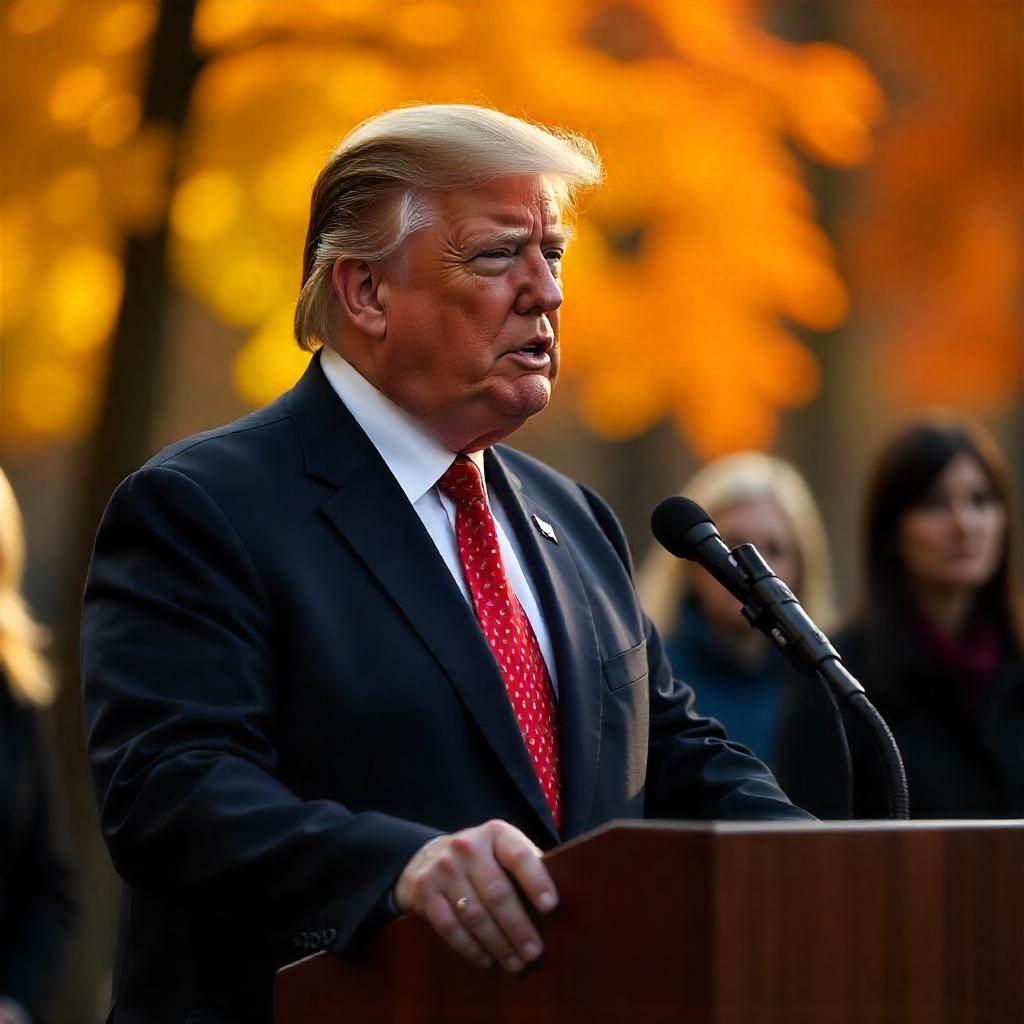
In a pivotal decision, the U.S. Supreme Court has sided with the Trump administration, allowing it to proceed with mass federal layoffs. The ruling marks a major victory for former President Donald Trump, reinforcing his broader agenda to consolidate executive power and significantly reshape the federal bureaucracy. The move could result in the dismissal of tens of thousands of federal workers and represents one of the most sweeping transformations of the U.S. civil service in recent history.
The court’s decision dismantles several legal barriers that had previously protected federal employees from sudden termination, effectively granting the executive branch greater control over the staffing of government agencies. Supporters of the ruling argue it will streamline bureaucracy, cut inefficiencies, and reduce taxpayer burdens. Critics, however, warn that it threatens the apolitical nature of federal institutions, raises concerns about job security, and could lead to the politicization of public service roles.
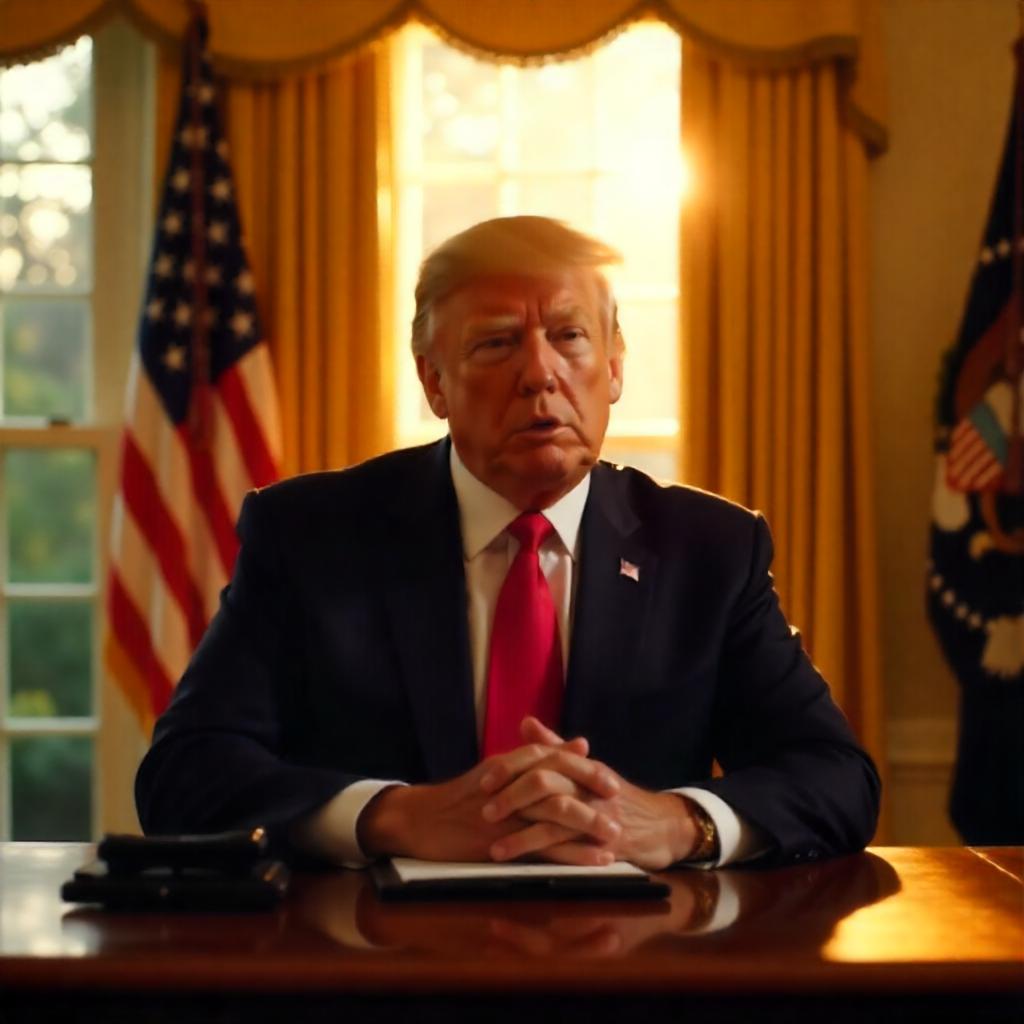
This legal development is part of Trump’s broader plan to “drain the swamp,” a campaign promise that targeted what he viewed as bloated and unaccountable federal agencies. With this ruling, Trump gains significant leverage to remove bureaucrats he sees as obstructive to his policy agenda, replacing them with individuals more aligned with his vision for government efficiency and loyalty to the presidency.
Simultaneously, Trump has intensified international trade tensions by imposing a 25% tariff on a broad range of goods imported from Japan and South Korea. These tariffs are part of a larger strategy to push foreign governments to the negotiating table and to address longstanding trade imbalances, as well as issues related to intellectual property and market access.
The new trade measures are not limited to Asian allies. Trump has signaled that additional countries may also face similar penalties if they do not align with what he calls “fair and reciprocal” trade practices. The tariffs have already drawn sharp criticism from both American businesses and international trading partners, who warn that such actions could disrupt supply chains, increase costs for consumers, and provoke retaliatory measures.
Initially, the administration had set a tariff implementation deadline but postponed it to August 1 in what was seen as a concession to allow for more negotiation. However, Trump has now made it clear that there will be no further extensions beyond this date, hardening his stance and pressuring allies to make swift concessions.

Together, these moves reflect Trump’s assertive strategy to reshape both domestic governance and global trade. By consolidating power at home and exerting economic pressure abroad, Trump continues to drive a nationalist agenda that redefines America’s role in both the federal structure and the international order.